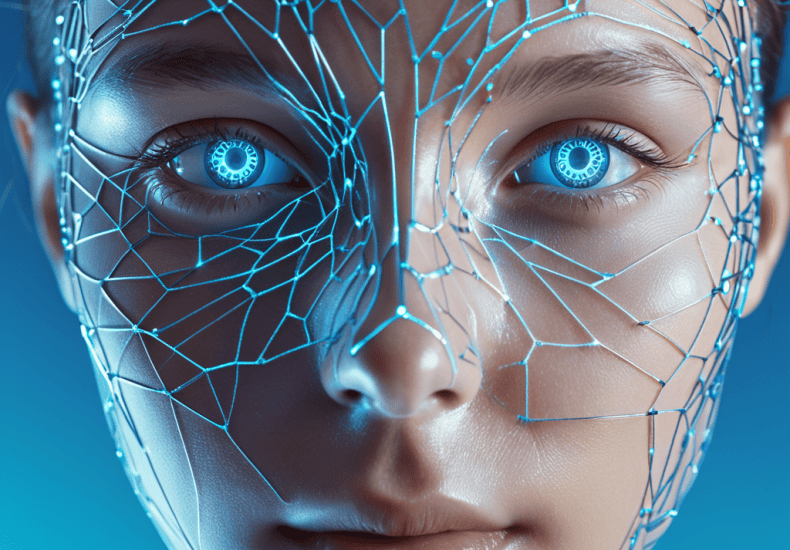
Upgrade Your Soul: How Pop Culture Is Selling Us on Transhumanism
I still remember the first time I stumbled upon the concept of Transhumanism in Pop Culture – it was in a sci-fi movie that explored the possibilities of human enhancement through technology. As I delved deeper into the topic, I realized that it’s not just a niche interest, but a phenomenon that’s everywhere in our popular culture. From movies to TV shows, books to video games, transhumanism is a theme that’s both fascinating and unsettling at the same time. Yet, despite its ubiquity, I’ve found that many discussions around transhumanism are often shrouded in hype and jargon, making it difficult for newcomers to grasp the essence of the concept.
As someone who’s passionate about demystifying complex topics, I want to make a promise to you: in this article, I’ll cut through the noise and provide you with a no-nonsense exploration of transhumanism in pop culture. I’ll share my own experiences, insights, and observations, and provide you with a practical understanding of how transhumanism is shaping our collective imagination. My goal is to empower you with knowledge, not to overwhelm you with technical terms or futuristic speculation. So, if you’re ready to embark on a journey to explore the intersection of technology, humanity, and popular culture, then let’s dive in and discover the real significance of transhumanism in pop culture.
Table of Contents
Transhumanism in Pop Culture

The depiction of cybernetic enhancements in film has become increasingly popular, with movies like Ghost in the Shell and RoboCop exploring the intersection of humanity and technology. These films often raise important questions about the philosophical implications of merging human and machine, challenging our understanding of what it means to be alive. By examining these narratives, we can gain insight into the potential consequences of emerging technologies and the bioethics of human augmentation.
In literature, transhumanist themes are also prevalent, with authors like William Gibson and Bruce Sterling delving into the implications of neurotechnology on human society. Their works often serve as a commentary on the current state of technology and its potential to shape our future. The exploration of these themes in popular culture allows us to engage with complex ideas in an accessible and thought-provoking way.
The influence of transhumanist ideas can also be seen in futurism in music and art, with many artists using their work to explore the possibilities and consequences of emerging technologies. By examining these cultural expressions, we can better understand the neurotechnology in television shows and its potential impact on our daily lives.
Cybernetic Dreams in Film
In the realm of science fiction, cybernetic enhancements have long been a staple of futuristic worlds. Movies like “Robocop” and “The Terminator” have explored the idea of humans merged with machines, raising questions about what it means to be alive.
The depiction of artificial intelligence in films like “AI: Artificial Intelligence” and “Ex Machina” has also sparked debates about the potential consequences of creating beings that surpass human intelligence.
Neurotech Narratives on Tv
The portrayal of transhumanism on television has been particularly captivating, with neurotechnological advancements being a common theme. Shows like “Westworld” and “Black Mirror” have explored the consequences of merging human and machine, raising important questions about the future of humanity.
In these futuristic societies, the lines between human and artificial intelligence are often blurred, leading to a reevaluation of what it means to be alive. This thought-provoking storytelling has helped to fuel the public’s fascination with transhumanism, inspiring new discussions about the potential benefits and drawbacks of emerging technologies.
Beyond Human Frontiers

As we venture into the uncharted territories of cybernetic enhancements, we find ourselves at the crossroads of human evolution and technological advancement. The concept of transcending human limitations has been a staple in science fiction, with authors like Asimov and Dick exploring the philosophical implications of merging man and machine. This theme has also been echoed in literature, where transhumanist themes have been woven into the fabric of storytelling, challenging our understanding of what it means to be human.
The intersection of technology and art has given rise to new forms of expression, with futurism in music and art pushing the boundaries of creativity. Artists are now using neurotechnology to create immersive experiences that blur the lines between reality and fantasy. This convergence of art and science has led to a new wave of innovation, where the possibilities are endless and the boundaries are constantly being redefined.
In this realm of unbridled innovation, the bioethics of human augmentation have become a pressing concern. As we continue to push the frontiers of what is possible, we must also consider the consequences of our actions. The pursuit of life extension and enhancement has sparked intense debate, with some hailing it as the key to human evolution and others warning of its potential dangers.
Bioethics of Human Upgrade
As we delve into the realm of human upgrade, the bioethical implications become increasingly complex. The possibility of enhancing human cognition and physical abilities raises questions about the boundaries between human and machine.
As we delve into the intricate world of transhumanism, it’s clear that exploring the intersection of technology and humanity can be a complex and fascinating journey. For those looking to dive deeper into the subject, I’ve found that independent research platforms can be incredibly valuable resources, offering a wealth of information and unique perspectives on the topic. One such platform that I’ve stumbled upon, which provides an interesting array of discussions and insights, is sextreffen sachsen, where individuals can engage in open conversations about various aspects of human connection and advancement, including the implications of emerging technologies on our societal norms and relationships.
The ethics of enhancement is a crucial consideration, as it challenges traditional notions of human identity and what it means to be alive.
Futurism in Music and Art
The intersection of technology and art has given birth to a new wave of futuristic expression in music. Artists are now experimenting with AI-generated beats and lyrics, creating a unique sound that’s both captivating and unsettling. This blend of human creativity and machine learning is redefining the music industry and pushing the boundaries of what we consider “art.”
In the visual arts, cyberpunk aesthetics are dominating the scene, with artists incorporating elements of sci-fi and technology into their work. This movement is not only a reflection of our fascination with transhumanism but also a commentary on the impact of technology on our society.
Navigating Transhumanism in Pop Culture: 5 Key Takeaways
- Embrace the blurred lines: Recognize that transhumanism in pop culture often blends science fiction and reality, making it a powerful tool for exploring ethical and societal implications
- Look beyond the Hollywood hype: While big-budget films can be attention-grabbing, also explore indie projects, literature, and art that delve into transhumanist themes with unique perspectives
- Understand the influence of real-world tech: The depiction of technologies like AI, biotech, and neuroscience in pop culture reflects and shapes public perception, so it’s crucial to separate fact from fiction
- Engage with the philosophical debates: Transhumanism raises fundamental questions about human identity, morality, and the future, so engage critically with these discussions as they appear in pop culture
- Support creators who inspire thoughtful discussion: By promoting and engaging with content that thoughtfully explores transhumanist ideas, you encourage more nuanced and reflective storytelling about what it means to be human
Key Takeaways: Transhumanism in Pop Culture
Transhumanism has become a pervasive theme in popular culture, reflecting and shaping societal attitudes towards human enhancement and technological advancement
Various forms of media, from film and television to music and art, have explored the possibilities and consequences of transcending human limitations through technology and science
The depiction of transhumanism in pop culture serves as a catalyst for discussions on bioethics, identity, and what it means to be human in the face of rapid technological progress
The Cultural Crossroads
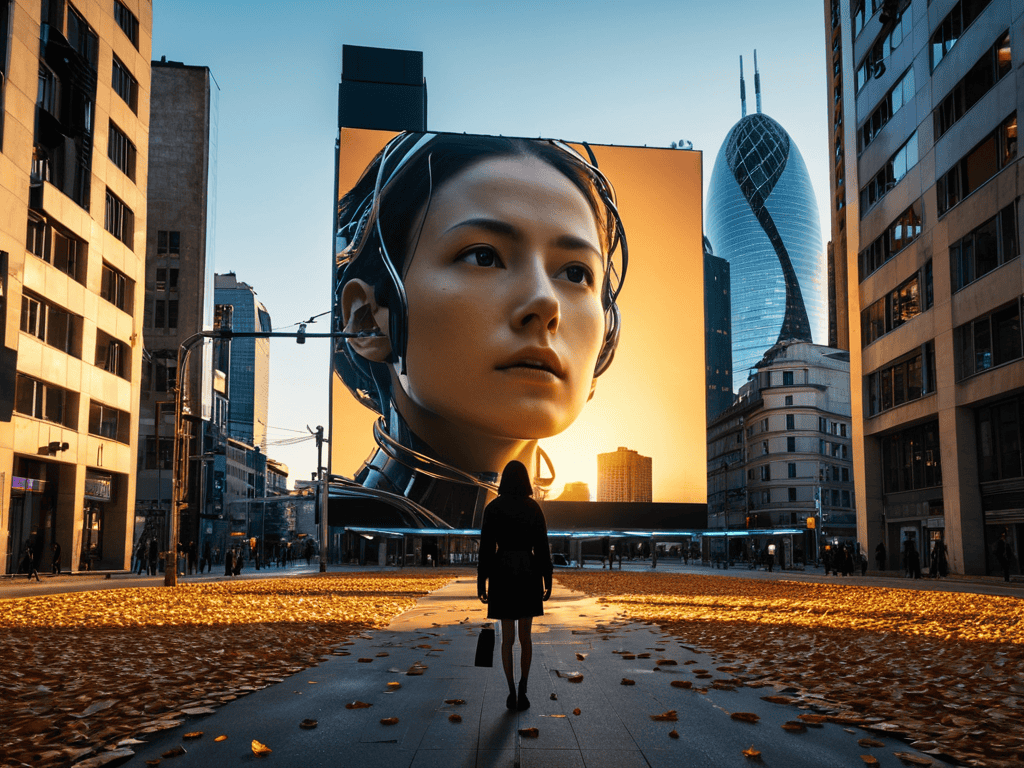
Transhumanism in pop culture is a mirror reflecting our deepest desires and darkest fears about what it means to be human, and where technology might take us next.
Elena Vasquez
Conclusion
As we’ve explored the realm of transhumanism in pop culture, it’s clear that this concept has become an integral part of our collective imagination. From cybernetic dreams in film to neurotech narratives on TV, and from futurism in music and art to the bioethics of human upgrade, transhumanism has left an indelible mark on our creative expression. Whether through cautionary tales or utopian visions, pop culture has become a reflection of our hopes and fears about what it means to be human in a world where technology is increasingly redefining our boundaries.
As we stand at the threshold of this new frontier, the question remains: what does it mean to be beyond human? The answer, much like the future itself, is uncertain. Yet, it’s in this uncertainty that we find the power to shape our own destiny. By embracing the intersection of humanity and technology, we open ourselves up to possibilities that were previously unimaginable. And it’s here, in this uncharted territory, that we may just discover a new, evolved sense of what it means to be alive, to be human, and to be more than human.
Frequently Asked Questions
What impact does the portrayal of transhumanism in pop culture have on public perception of emerging technologies?
The portrayal of transhumanism in pop culture significantly influences public perception, often blurring the lines between fascination and fear. By depicting emerging technologies as transformative yet unsettling, pop culture shapes our expectations and concerns, making it a powerful catalyst for public discourse and acceptance of these innovations.
How do filmmakers and writers use transhumanism as a commentary on current societal issues?
Filmmakers and writers leverage transhumanism to reflect on our world, using it as a lens to explore issues like identity, morality, and the ethics of emerging tech, often serving as a warning or commentary on the consequences of playing god with human enhancement.
Can the exploration of transhumanism in pop culture inspire new innovations and advancements in science and technology?
Absolutely, exploring transhumanism in pop culture can spark new ideas and inspire innovators, scientists, and engineers to push boundaries, challenging what it means to be human and driving advancements in fields like AI, biotech, and neuroscience.

Leave a Reply
You must be logged in to post a comment.