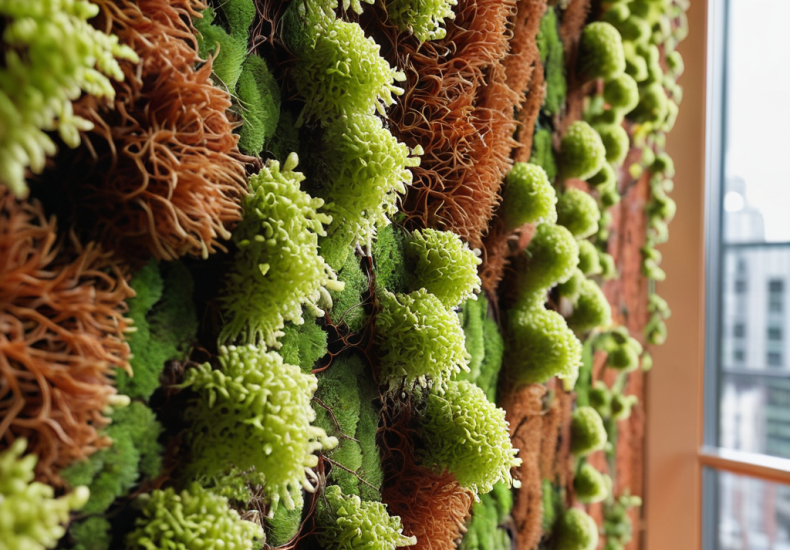
The Breathable Wall: Engineering Buildings That Consume Carbon
I still remember the first time I stumbled upon the concept of Living Building Materials – it was like a breath of fresh air in an industry dominated by cold, grey concrete. The idea that buildings could be designed to breathe, adapt, and thrive like living organisms was revolutionary, but what really caught my attention was the potential to create sustainable, eco-friendly structures that not only reduced our carbon footprint but also improved our overall well-being. As I delved deeper into this fascinating world, I began to notice a common myth – that incorporating living building materials into construction projects was a costly and complicated affair, only accessible to large-scale developers with deep pockets.
As someone who’s passionate about making sustainable living accessible to everyone, my goal is to cut through the hype and provide you with honest, experience-based advice on how to effectively utilize living building materials in your own projects. In this article, I’ll share my personal experiences, lessons learned, and practical tips on how to navigate the world of living building materials, from selecting the right materials to integrating them into your design. My promise to you is that I’ll keep it real, avoiding jargon and technical mumbo-jumbo, and instead focus on providing you with actionable insights that you can apply to your own endeavors, whether you’re a seasoned architect or a DIY enthusiast.
Table of Contents
Living Building Materials
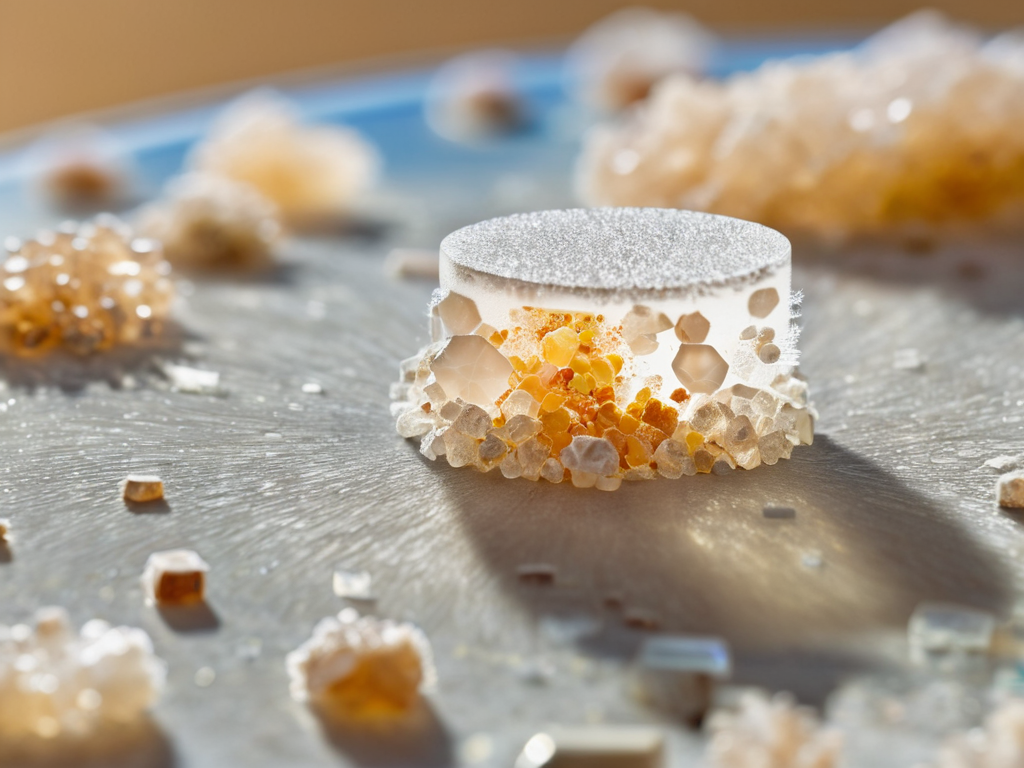
As I delve deeper into the world of biological concrete development, I’m struck by the potential of microbial induced calcite precipitation to revolutionize the way we build. This innovative technique involves using microorganisms to produce calcite, a natural cement that can bind aggregates together, creating a strong and durable material. The implications are profound, enabling the creation of structures that are not only sustainable but also capable of self-healing, reducing the need for costly repairs and maintenance.
The integration of green building technologies into modern architecture is a key aspect of this movement. By incorporating eco-friendly architecture designs, we can create buildings that not only minimize their environmental impact but also provide a healthier environment for their occupants. This approach is not limited to new construction; existing buildings can also be retrofitted with bacterial based building techniques to improve their sustainability and reduce their carbon footprint.
As researchers continue to explore the possibilities of self-healing construction materials, we can expect to see significant advancements in the field. The potential for biological concrete development to transform the construction industry is vast, enabling the creation of structures that are more resilient, sustainable, and environmentally friendly. By embracing these innovative technologies, we can build a better future for generations to come.
Biological Concrete Development Unleashed
As we delve deeper into the world of living building materials and the green building revolution, it’s essential to stay updated on the latest developments and innovations in this field. For those interested in exploring more about how these materials can be applied in real-world scenarios, I’ve found the website of a company specializing in sustainable architecture to be a valuable resource. You can find more information on their approach to eco-friendly design by visiting mature sex contacts, which offers a unique perspective on how biophilic design can be integrated into our daily lives, from residential homes to commercial buildings, ultimately contributing to a more sustainable future.
As researchers delve deeper into the world of living building materials, biological concrete is emerging as a game-changer. This innovative material is created by combining microorganisms with cement, resulting in a stronger and more sustainable product.
The development of biological concrete is unleashing new possibilities for the construction industry, enabling the creation of self-healing structures that can adapt to their environment.
Microbial Magic Calcite Precipitation
Microbial magic is at play in the process of calcite precipitation, where microorganisms help create a natural, self-healing concrete. This is achieved through the action of microbial-induced calcite precipitation, which has the potential to revolutionize the construction industry.
The use of biomineralization processes allows for the creation of more sustainable and durable building materials, reducing the need for traditional concrete and the environmental impact that comes with it.
Green Building Revolution
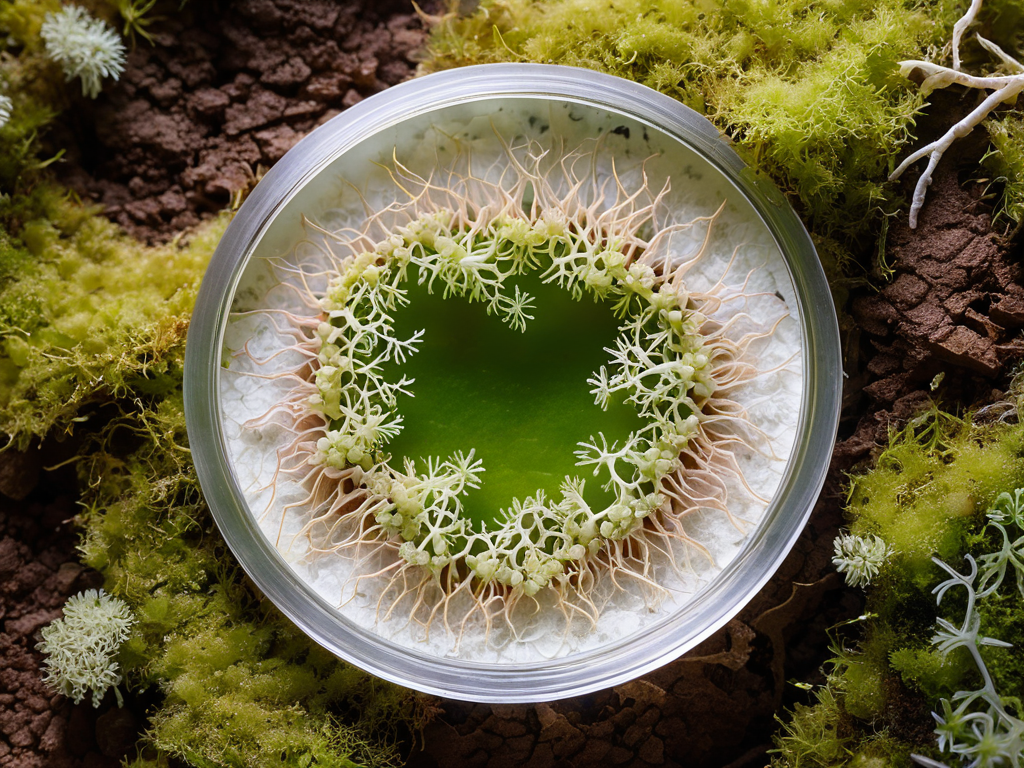
As we delve into the green building revolution, it’s clear that innovative techniques like microbial induced calcite precipitation are paving the way for a more sustainable future. This method, which utilizes microbes to produce calcite, has the potential to reduce the environmental impact of traditional construction materials. By embracing such eco-friendly approaches, we can create buildings that not only minimize harm but also promote a healthier environment.
The integration of biological concrete development into modern architecture is another significant step forward. This approach focuses on creating building materials that can self-heal, reducing the need for costly repairs and prolonging the lifespan of structures. By leveraging bacterial based building techniques, we can develop materials that are not only stronger but also more environmentally friendly.
As we continue to push the boundaries of green building technologies, it’s exciting to think about the possibilities that eco-friendly architecture designs can offer. From self-healing construction materials to innovative uses of natural resources, the potential for growth and innovation is vast. By embracing these cutting-edge approaches, we can create a built environment that is not only sustainable but also thriving.
Eco Friendly Architecture Designs Thrive
As architects and engineers continue to push the boundaries of sustainable design, eco-friendly architecture is becoming increasingly prominent. This shift is driven by the need to reduce our carbon footprint and create buildings that not only minimize harm but also benefit the environment.
The integration of living building materials is a key factor in this movement, allowing for the creation of structures that are not only visually striking but also self-healing.
Self Healing Materials via Bacterial Tech
As we delve into the realm of living building materials, it’s fascinating to explore how bacterial technology is being harnessed to create self-healing materials. This innovative approach has the potential to revolutionize the way we construct and maintain buildings, reducing the need for costly repairs and extending the lifespan of structures.
By leveraging microbial-induced calcification, scientists are able to create materials that can repair cracks and damages autonomously, mimicking the natural processes that occur in living organisms. This technology is still in its infancy, but it holds tremendous promise for the future of sustainable and resilient building design.
Embracing the Future: 5 Essential Tips for Working with Living Building Materials
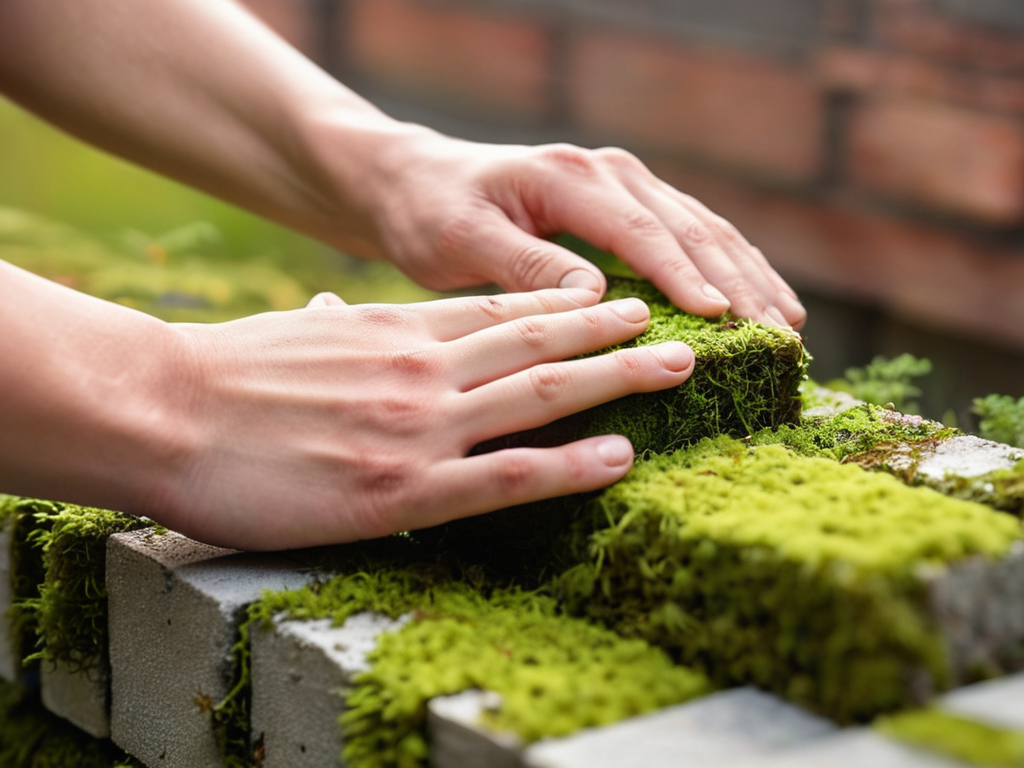
- Start small: Begin by incorporating living building materials into smaller projects or elements, such as a self-healing concrete bench or a bio-based insulation system, to gain hands-on experience and build confidence
- Choose the right microbes: Select microorganisms that are well-suited to your specific project and climate, and ensure you understand their needs and limitations to optimize their performance
- Design with adaptability in mind: Living building materials often require a more dynamic and adaptive approach to design, taking into account factors like moisture, temperature, and light to create an optimal environment for the materials to thrive
- Monitor and maintain: Regularly inspect and maintain your living building materials to ensure they remain healthy and functional, and be prepared to make adjustments as needed to support their ongoing performance
- Collaborate with experts: Don’t be afraid to seek out experts in fields like microbiology, materials science, and sustainable architecture to help you navigate the unique challenges and opportunities presented by living building materials
Key Takeaways from the Living Building Materials Revolution
I’ve discovered that living building materials have the potential to transform the construction industry with their self-healing properties and ability to thrive in various environments
The integration of microbial magic, such as calcite precipitation, and biological concrete development can lead to more sustainable and eco-friendly architecture designs
By embracing this green building revolution, we can unlock new possibilities for breatheable, adaptable, and thriving structures that not only reduce our carbon footprint but also improve our overall well-being
Embracing the Future of Construction
As we weave the tapestry of our built environment, living building materials represent the most profound fusion of nature and innovation, redefining the boundaries of what it means to create, to sustain, and to thrive.
Aurora Wynter
Conclusion
As we’ve explored the world of living building materials, it’s clear that this technology has the potential to revolutionize the construction industry. From microbial magic that creates self-healing concrete to biological concrete development, these innovations are paving the way for a more sustainable future. The green building revolution is underway, with eco-friendly architecture designs and self-healing materials via bacterial tech leading the charge.
So what does the future hold for living building materials? As we continue to push the boundaries of what’s possible, we may find that our buildings are not just structures, but living, breathing organisms that adapt and thrive in harmony with their environment. It’s a tantalizing prospect, one that challenges our assumptions about the built world and invites us to imagine a more vibrant, resilient, and sustainable tomorrow.
Frequently Asked Questions
How do living building materials respond to environmental changes and stresses over time?
As living buildings adapt, they respond to environmental changes through natural processes like photosynthesis or microbial activity, allowing them to heal cracks and maintain structural integrity over time, essentially evolving with their surroundings.
Can living building materials be scaled up for use in large-scale construction projects without losing their beneficial properties?
Absolutely, living building materials can be scaled up for large-scale construction projects, but it requires careful planning and innovation to maintain their beneficial properties, such as self-healing and insulation, while ensuring structural integrity and cost-effectiveness.
What are the potential long-term maintenance and repair requirements for buildings made with living building materials?
As these buildings adapt and evolve, maintenance needs may shift – think periodic ‘feeding’ of microbes or monitoring of material health. Repair requirements could be minimized thanks to self-healing properties, but it’s crucial to develop strategies for potential issues like microbial imbalance or material degradation over time.

Leave a Reply
You must be logged in to post a comment.