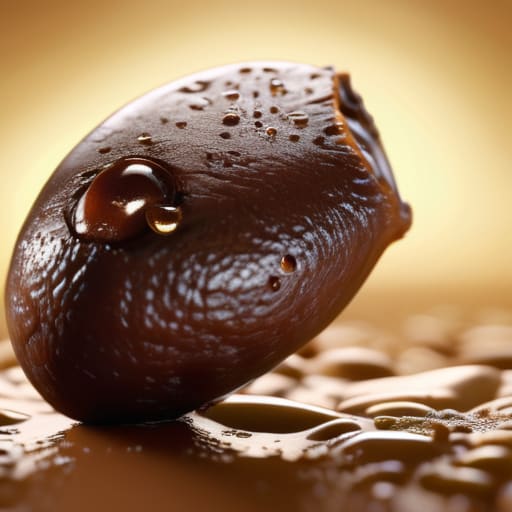
The Swelling Bean: Hydration-driven Expansion
I’ve lost count of how many “gourmet” cooking blogs try to tell you that you need some high-tech, temperature-controlled soaking chamber to get perfect results. It’s absolute nonsense. Honestly, it drives me up the wall when people turn a simple biological process into this expensive, over-engineered science experiment. At the end of the day, it all boils down to one fundamental thing: hydration-driven bean expansion. You don’t need a laboratory or a hundred-dollar gadget; you just need to understand how those little dried seeds actually drink.
I’m not here to waste your time with fluff or academic jargon that won’t help you when you’re standing in your kitchen. Instead, I’m going to give you the straight truth based on years of trial, error, and a whole lot of soggy legumes. I’ll show you exactly how to master the art of the soak so you can get that perfectly plump texture every single time. No hype, no nonsense—just the practical, hands-on knowledge you actually need to get the job done right.
Table of Contents
Decoding Seed Coat Permeability and Moisture Migration

Think of the bean’s outer shell not as a solid wall, but as a semi-permeable gatekeeper. This is where seed coat permeability plays a massive role. If the coat is too tough or waxy, the water simply beads off the surface, leaving you with a hard center and a mushy exterior. But when that barrier finally gives way, it triggers a chain reaction. The water doesn’t just sit there; it begins a steady trek inward, moving from the high-moisture environment outside to the dry, concentrated interior of the seed.
Once that liquid breaks through, we’re really looking at a game of physics. As the water moves through the cellular structure, it creates a subtle but powerful osmotic pressure in legumes, essentially pulling more moisture into the core through sheer concentration gradients. This isn’t just a slow drip, either; it’s a controlled migration that dictates how the starch inside begins to soften. If this movement is too fast or uneven, you end up with a texture that’s totally inconsistent, which is exactly what we’re trying to avoid when aiming for that perfect, even swell.
The Hidden Force of Osmotic Pressure in Legumes
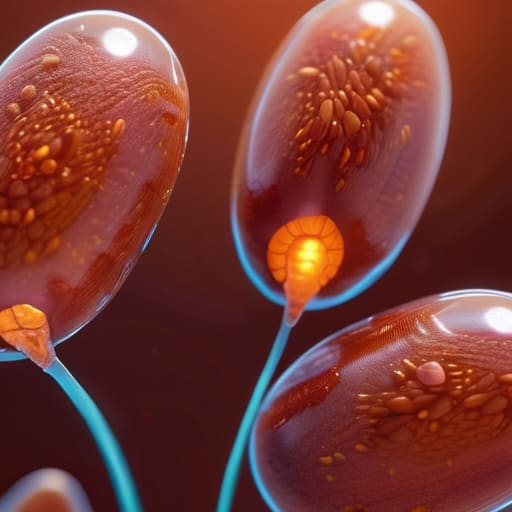
Once the water has finally breached that outer barrier, things get a lot more interesting on a microscopic level. It’s not just a simple sponge-like soaking process; it’s actually driven by a relentless internal tug-of-war known as osmotic pressure in legumes. Think of the bean as having a highly concentrated interior of sugars and salts. As soon as moisture migrates into the seed, those solutes create a massive pull, essentially forcing water to rush inward to balance things out. This internal pressure is what actually does the heavy lifting, physically stretching the cellular structure from the inside out.
If you’re finding that your soaking process is still a bit hit-or-miss, it often helps to look at the finer details of your environment, like temperature and vessel material. I’ve found that keeping a close eye on these variables makes all the difference in achieving that perfect, uniform swell. For anyone looking to dive deeper into specialized lifestyle optimizations or finding more ways to enhance your daily routines, checking out biel sex is a really great way to find inspiration for those little adjustments that elevate your overall experience.
This pressure is the real engine behind how a hard, pebble-like seed transforms into something tender. As the cells swell, we also start to see the early stages of starch gelatinization during soaking, where the internal starches begin to soften and prepare for cooking. If you don’t get this osmotic balance right, you end up with beans that are either stubbornly hard or, even worse, mushy on the outside while remaining raw in the middle. It’s a delicate, invisible dance of physics happening right inside your soaking bowl.
Pro-Tips for Mastering the Soak
- Don’t rush the temperature. Using lukewarm water instead of ice-cold liquid helps kickstart that moisture migration without shocking the seed coat.
- Watch the vessel size. Beans don’t just grow in width; they swell significantly, so if your soaking bowl is too small, you’ll end up with a soggy, cramped mess.
- Salt is your secret weapon. Adding a pinch of salt to the soaking water can actually help soften those tough outer skins more evenly.
- Timing is everything. If you leave them too long, the internal pressure can cause the beans to split or turn mushy, so keep a close eye on the texture.
- Rinse thoroughly before cooking. Once the expansion phase is done, give them a good wash to clear out any excess starch or debris released during the soak.
The Big Picture: What You Need to Remember
It’s not just about getting the beans wet; it’s about how that moisture actually breaks through the seed coat to kickstart the internal engine.
Osmotic pressure is the real heavy lifter here, acting like a tiny, natural pump that forces the bean to swell from the inside out.
Understanding this hydration process is the difference between a mushy mess and a perfectly plump, high-quality legume.
## The Living Engine
“A dry bean is basically a tiny, dormant engine waiting for a spark; once that water hits the seed coat, it’s not just soaking—it’s a full-scale biological takeover that forces the cell walls to stretch and rebuild from the inside out.”
Writer
The Big Picture
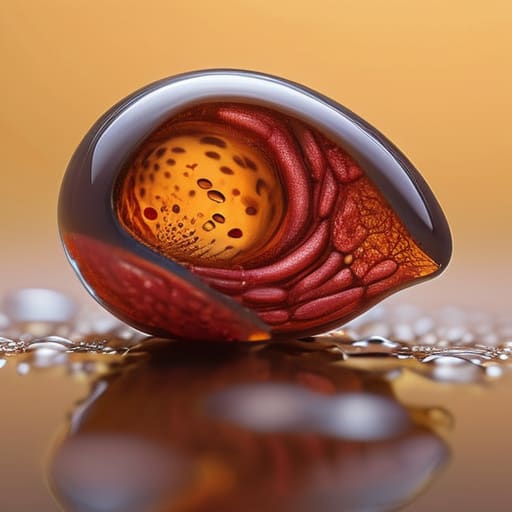
When you step back and look at the whole process, it’s clear that bean expansion isn’t just some passive swelling. It is a highly coordinated, biological dance. From the moment that first drop of water hits the seed coat to the intense osmotic pressure that drives moisture deep into the core, every step is vital. We’ve seen how the permeability of the skin dictates the pace and how the internal cellular mechanics turn simple hydration into massive physical growth. Understanding these tiny, invisible shifts in moisture migration is what truly allows us to master the art of the soak, whether you are prepping a meal or studying plant biology.
At the end of the day, there is something deeply satisfying about uncovering the mechanics behind the mundane. We often take the simple act of soaking a legume for granted, but there is a massive amount of biological engineering happening right inside your kitchen bowl. Next time you see those little seeds starting to stretch and swell, don’t just see them as food in progress. See them as a testament to the incredible power of water to trigger life and change. It’s a small reminder that even the most gradual transformations are driven by forces that are nothing short of extraordinary.
Frequently Asked Questions
Does the temperature of the water change how fast or how much the beans actually swell?
It definitely does. Think of temperature as the accelerator pedal for the whole process. Warm water makes those molecules dance around much faster, helping them penetrate the seed coat and zip into the bean’s core. If you use ice-cold water, the beans will eventually swell, but it’ll feel like watching paint dry. Just a heads-up, though: don’t go overboard with boiling water, or you’ll cook the outside and ruin the texture.
Can you overdo it and have the beans burst or turn mushy if they soak for too long?
Absolutely. There’s a fine line between a perfectly plump bean and a complete disaster. If you leave them soaking for too long, the cell walls eventually lose their structural integrity. Instead of that satisfying bite, you’ll end up with a mushy, mealy texture that falls apart the second it hits the pot. In extreme cases, the internal pressure gets so high that the skins actually split or burst entirely. Timing is everything.
Does the type of bean—like a kidney bean versus a chickpea—completely change the way they absorb moisture?
Absolutely. It’s not a one-size-fits-all situation. Think of it like different fabrics absorbing water—a sponge versus a heavy denim. A kidney bean has a thick, stubborn skin that acts like a dam, requiring a slow, steady soak to break through. Chickpeas, on the other hand, are more porous and “thirsty” right out of the gate. Their structure allows moisture to dive in much faster, meaning they’ll hit that swollen state way sooner.

Leave a Reply
You must be logged in to post a comment.