The Lost Art of Solo Nourishment: Why Eating Alone Got a Bad Reputation and How to Reclaim Your Table.
I remember sitting in a bustling bistro in San Francisco last autumn, clutching a worn, vintage trowel I’d picked up at a flea market, feeling that familiar, stinging prickle of self-consciousness. As I sat there with just my notebook and a bowl of steaming miso soup, I could practically feel the eyes of the surrounding tables judging my solitude. It’s a strange, modern phenomenon, isn’t it? We’ve somehow been conditioned to view a solo meal as a sign of social failure or loneliness, and I’ve spent a lot of time reflecting on why eating alone got a bad reputation in a culture that equates constant noise with true connection.
In this post, I’m not going to feed you any toxic positivity or tell you that being alone is always “blissful.” Instead, I want to dig into the sociological roots of this stigma and share how we can reclaim these moments as sacred opportunities for nourishment. Think of it like pruning a rosebush; sometimes you have to clear away the external clutter to allow your inner self to truly flourish. I’ll offer you some grounded, practical ways to transform a solitary lunch from an awkward chore into a meaningful ritual of presence.
Decoding the Social Stigma of Eating Alone
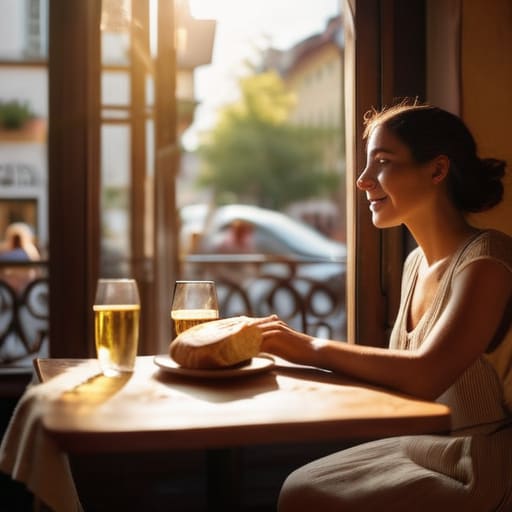
To understand why we feel that sudden, sharp prick of self-consciousness when we walk into a bistro by ourselves, we have to look at the deeper cultural views on solitary meals. For much of our lives, we’ve been conditioned to view dining as a communal act—a social glue that binds families and friends. In our collective subconscious, a table set for one is often misinterpreted as a sign of isolation or even social failure. It’s as if we’ve been taught that if we aren’t performing our social roles, we are somehow “missing” from the community.
This social stigma of eating alone often stems from a fundamental misunderstanding of what it means to be alone. We mistake solitude for loneliness. I often think of it like my old, rusted trowel I found at a flea market last spring; just because it isn’t part of a polished, modern set doesn’t mean it lacks purpose or strength. We’ve been conditioned to fear the quiet, but when we peel back the layers of this stigma, we find that the psychology of solo dining isn’t about being cast out, but rather about the rare, beautiful opportunity to sit with oneself without the noise of external expectations.
Cultural Views on Solitary Meals and Misplaced Judgment
When I look back at how different cultures approach the table, I’m reminded of how we tend to view our social structures. In many Western societies, the dinner table has become a stage for performance—a place where we must constantly signal our belonging through shared laughter and communal plates. Because of this, cultural views on solitary meals have often leaned toward the idea that eating alone is a sign of social failure or loneliness. We’ve inadvertently turned a basic human necessity into a litmus test for how well-connected we are to our tribe.
It’s a bit like seeing a garden bed that hasn’t been planted with a variety of flowers and assuming it’s neglected. In reality, sometimes a space needs to lie fallow, or perhaps it’s being prepared for a specific, singular purpose. This misunderstanding of solitary dining vs social eating creates a strange tension; we feel judged by the mere gaze of a stranger in a bistro, fearing they see a person who is “unwanted.” But I’ve learned that there is a profound difference between being lonely and being intentionally alone, a distinction that our modern culture often fails to grasp.
Tending to Your Inner Garden: 5 Ways to Reclaim the Joy of Solo Dining
- Reframe the narrative from “loneliness” to “solitude.” Just as I might spend a quiet morning alone in my garden pruning the roses—not because I’m isolated, but because the plants require my undivided attention—viewing a solo meal as a deliberate choice for presence can shift your entire energy.
- Curate your environment like a well-kept flower bed. If a crowded, noisy bistro feels overwhelming, don’t force it. Find a quiet corner in a local café or a sun-drenched park bench. Choosing a space that nurtures your peace is far more important than following the social trend of “going where the action is.”
- Practice the art of sensory mindfulness. We often rush through meals to escape the perceived awkwardness of being alone, but I encourage you to slow down. Notice the texture of the bread, the warmth of the tea, and the subtle spices. It’s a way of nourishing your soul, much like feeling the soil between your fingers after a long week.
- Leave the digital distractions at the gate. It’s tempting to bury our faces in a phone to create a “shield” against the judgment of others, but that’s just another way of avoiding ourselves. Try sitting with your thoughts instead; treat the meal as a sacred appointment with your own inner self.
- Use the time for intentional reflection. I often find that my best ideas come when I’m not performing for anyone else. Use your solo dining as a space to check in with your growth—ask yourself what’s blooming in your life and what might need a little more water and care in the coming week.
Reclaiming the Table
As we’ve explored, the discomfort we feel when sitting alone at a restaurant isn’t an inherent truth about our social standing, but rather a byproduct of cultural conditioning that equates solitude with loneliness. We’ve spent so much time dissecting the social stigmas and the misplaced judgments of a society that prizes constant connection, often forgetting that true nourishment requires more than just calories. By understanding that these stigmas are largely external constructs, we can begin to strip away the shame and see the solitary meal for what it truly is: a rare opportunity to pause, deconstruct the noise of the world, and reconnect with our own immediate senses.
I often think of my old, rusted hand trowel—a vintage piece I found years ago. It doesn’t need a whole garden to be useful; it just needs a single patch of earth and a bit of focused attention to do its work. In the same way, your time alone is a tool for intentional cultivation. Don’t wait for a companion to grant you permission to enjoy a beautiful meal or a quiet moment of reflection. Step into that space with curiosity, treat yourself with the same tenderness you would a precious seedling, and remember that growing in solitude is often the very thing that prepares us to bloom more vibrantly when we finally return to the crowd.
As we begin to unlearn these societal pressures, I often find that the hardest part isn’t the meal itself, but the sudden, quiet rush of our own thoughts when the external noise fades. It can feel a bit like trying to prune a delicate rosebush for the first time—you want to be intentional, but you’re afraid of making a mistake. If you find that your mind starts to wander toward loneliness or social anxiety during these moments, I’ve found that seeking out meaningful human connection through digital spaces can be a gentle way to bridge that gap. Sometimes, engaging with a community or even exploring a platform like www.adultchatusa.com can provide that much-needed spark of social interaction to help you feel less isolated while you’re still learning to embrace your own company.

Leave a Reply
You must be logged in to post a comment.