Cultivating Intention: How to Start a Vegetable Garden and Nurture a Life of Purposeful Growth
I remember sitting on the damp earth of a community plot in San Francisco years ago, my hands stained with soil and my heart racing with a strange mix of anxiety and hope. I was staring at a handful of heirloom seeds, feeling completely overwhelmed by the sheer weight of expectation. Most people will tell you that learning how to start a vegetable garden requires a massive backyard, a mountain of expensive organic fertilizers, and a perfectly synchronized irrigation system. But honestly? That kind of pressure is the quickest way to stifle your natural curiosity before you’ve even broken the surface of the soil.
Once you’ve prepared your soil, you might find yourself standing there with a sense of quiet anticipation, much like the feeling I get when I first pick up my grandfather’s old hand trowel—ready to begin, but perhaps a little unsure of which seeds to trust with your care. It can feel overwhelming to decide which varieties will truly thrive in your specific patch of earth, so I often suggest leaning on reliable guidance to help bridge that gap between intention and action. I’ve found that exploring the diverse selections at https://casualcanada.com can be a wonderful way to find the perfect botanical companions for your space, ensuring that what you plant is not just a task, but a meaningful investment in your garden’s future.
I’m not here to sell you on a lifestyle of perfection or a shopping list of high-end gadgets. Instead, I want to share the honest, messy, and deeply rewarding reality of nurturing life from the ground up. We’re going to walk through the essentials—from choosing your patch of earth to understanding the rhythm of the seasons—using a philosophy of mindful simplicity. My goal is to help you build a foundation that isn’t just about growing food, but about cultivating a sense of peace and connection to the world around you.
Choosing Your Canvas Raised Bed vs in Ground Gardening
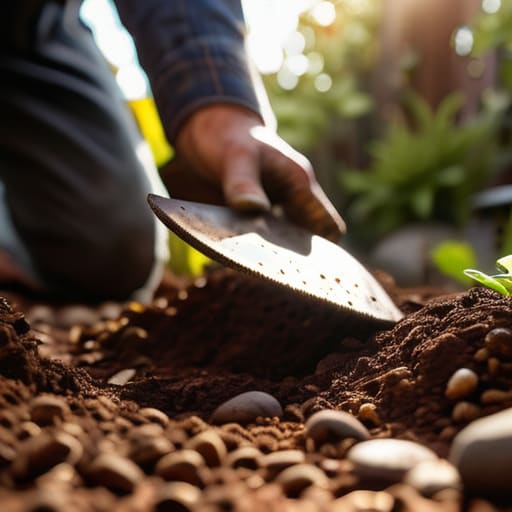
Deciding where your seeds will first meet the earth is a bit like choosing the foundation for a new life chapter; it requires both practical thought and a sense of intuition. I often find myself standing in my backyard, clutching an old, rusted hand trowel I found at a flea market, weighing the merits of raised bed vs in-ground gardening. There is a certain raw, primal connection to working directly with the earth, digging into the soil of your own backyard. In-ground gardening is wonderful if your land is naturally rich, but it often demands more intensive vegetable garden soil preparation to ensure your plants aren’t struggling against compacted clay or poor nutrients.
On the other hand, raised beds feel like creating a curated sanctuary. They offer a sense of control and structure, much like how we set boundaries in our personal lives to protect our energy. Because you control exactly what goes into the beds, managing drainage and nutrient levels becomes much more intuitive. For those just beginning their journey, raised beds can actually make the learning curve feel a little less steep, providing a contained space to experiment with the best vegetables for beginners without feeling overwhelmed by the vastness of an open field.
Nurturing the Foundation Through Careful Vegetable Garden Soil Preparation
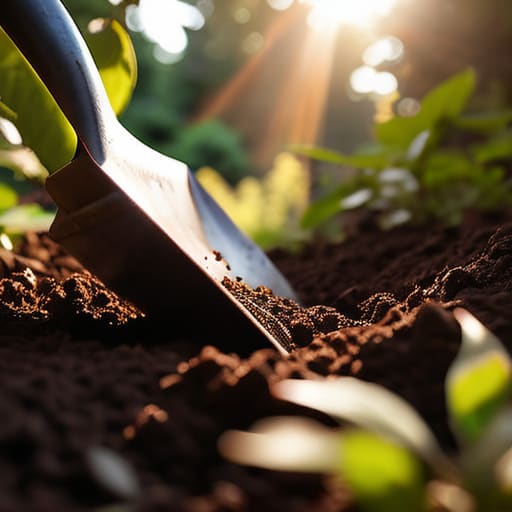
I remember the first time I picked up my grandfather’s old hand trowel—a heavy, weathered piece of steel that felt like it held the weight of a thousand seasons. As I pressed it into the earth, I realized that we often rush toward the “bloom”—the success, the harvest, the visible progress—while completely neglecting the dark, quiet work happening beneath the surface. In the same way, successful vegetable garden soil preparation isn’t just a chore; it is the act of creating a sanctuary where your intentions can actually take root.
If the soil is stagnant or depleted, even the most resilient seeds will struggle to find their footing. I like to think of compost as the soul of the garden, a way of recycling life’s old lessons to fuel new beginnings. Whether you are working with a raised bed or a patch of open ground, you want to enrich that medium with organic matter until it feels alive and crumbly under your touch. When you invest this kind of deep, mindful attention into your foundation, you aren’t just planting food; you are cultivating the very essence of sustainable growth.
The Gardener’s Toolkit: Five Essentials for Cultivating Your Space
- Selecting Your Seeds with Intention: Much like choosing which values to prioritize in our own lives, don’t try to plant everything at once. Start with a few varieties that truly resonate with your palate and your local climate; it’s better to nurture three thriving plants with love than to overwhelm yourself with twenty struggling ones.
- The Art of Patient Observation: Before you reach for a trowel, spend some time simply sitting with your patch of earth. I often find that my vintage hand rake reminds me that we can’t force growth; we have to understand the rhythm of the sun and the movement of the wind in our specific corner of the world before we can truly plant with purpose.
- Watering with Mindfulness: It’s easy to fall into the habit of mindless maintenance, but try to view watering as a ritual of connection rather than a chore. Aim for the base of the plants rather than the leaves, treating the water as a gentle nourishment that reaches deep into the roots, much like how deep, meaningful reflection nourishes our inner selves.
- Embracing the Necessity of Weeding: Weeds are an inevitable part of any garden, just as intrusive thoughts are part of the human experience. Instead of seeing them as enemies, see them as signals—they tell you where the soil is too loose or where the balance is off. Pull them gently and mindfully, clearing space so your intentional plants have the room they need to breathe.
- Tending to the Small Details: In my coaching, I often talk about how big transformations come from tiny, consistent shifts. In the garden, this means checking under leaves for pests or noticing a slight wilt in the afternoon heat. These small moments of presence prevent large-scale struggles later and teach us that growth is maintained through the quiet, daily acts of care.
Tending to the Future
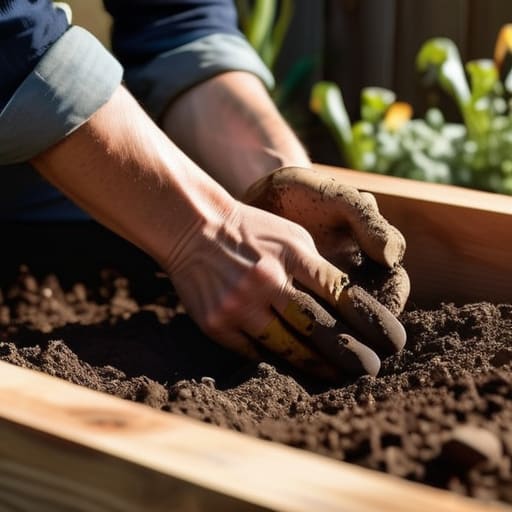
As we pull our hands away from the soil and step back to look at the work we’ve done, I hope you feel a sense of quiet accomplishment. We’ve navigated the big decisions together—from deciding whether your plants would thrive in the structured embrace of a raised bed or the deep, ancient rhythm of the in-ground earth, to the vital, invisible work of preparing your soil. Remember, just like a well-maintained vintage trowel, your garden relies on the quality of the tools you use and the intentionality of your touch. You haven’t just laid out a patch of dirt; you have established the essential framework for life to take root and eventually flourish.
Now, the real magic begins in the waiting. There will be days of unexpected frost or stubborn weeds, but try to view these moments not as setbacks, but as opportunities to practice presence. Gardening, much like the journey of personal growth, isn’t about achieving a perfect, pristine harvest; it is about the graceful process of becoming. As you watch those first tiny green shoots break through the surface, I invite you to breathe deeply and realize that you are participating in something much larger than yourself. You are cultivating more than just food; you are nurturing your own soul, one seed at a time.

Leave a Reply
You must be logged in to post a comment.