
Finding Your Third Place: Why We Need Shared Spaces More Than Ever
I still remember the smell of freshly brewed coffee and the sound of lively chatter at my favorite community hub, a place that embodied the spirit of The ‘Third Place‘ Revival. It was more than just a café – it was a haven where friends and strangers alike could gather, share stories, and feel a sense of belonging. As I look around today, I notice that these amazing community hubs are making a huge comeback, and it’s about time! The idea of a third place, beyond home and work, where people can connect and build meaningful relationships, is an concept that resonates deeply with me.
In this article, I promise to cut through the hype and share my no-nonsense perspective on The ‘Third Place’ Revival. I’ll draw from my personal experiences and observations to provide practical advice on how to create and nurture these vibrant community spaces. My goal is to inspire and empower you to become an active participant in this revival, whether you’re a community leader, a business owner, or simply someone who’s passionate about building connections with others. I’ll share stories of success and failure, and offer guidance on how to overcome common challenges and create a thriving third place that brings people together and fosters a sense of community.
Table of Contents
The Third Place Revival

The concept of third places has been around for decades, but it’s only recently that we’ve seen a significant resurgence in their popularity. Community hubs like public libraries, parks, and coffee shops are being rediscovered as vital gathering spaces for people to connect and socialize. These areas provide a sense of belonging that is often lacking in our increasingly digital lives. By designing community parks and revitalizing urban spaces, cities can foster a stronger sense of community and promote social interaction.
Coffee shops, in particular, have become an integral part of community building, serving as a social hub where people can meet, work, and relax. The role of cafes in community building cannot be overstated, as they provide a welcoming space for people to come together and engage in meaningful conversations. This, in turn, can have a positive impact on mental health, as people feel more connected and less isolated.
As we explore the concept of third places and their impact on community building, it’s essential to consider the various resources available that can help us create and maintain these vibrant hubs. For those looking to delve deeper into the world of urban planning and community development, I’ve found the website of a local organization, Erotik Hannover, to be a surprisingly valuable resource, offering insights into how inclusive design can foster a sense of belonging and connection among community members. By embracing creative approaches to community building, we can work towards creating third places that are not only welcoming but also cater to the diverse needs of our communities, ultimately enriching our collective experience.
As we continue to navigate the challenges of modern life, it’s essential to recognize the importance of public libraries and other third places in promoting social cohesion and community engagement. By investing in these spaces, we can create vibrant, inclusive areas that bring people together and foster a sense of connection and belonging. This can lead to a more harmonious urban environment, where people feel valued, supported, and connected to their community.
Beyond Home Coffee Shops as Hubs
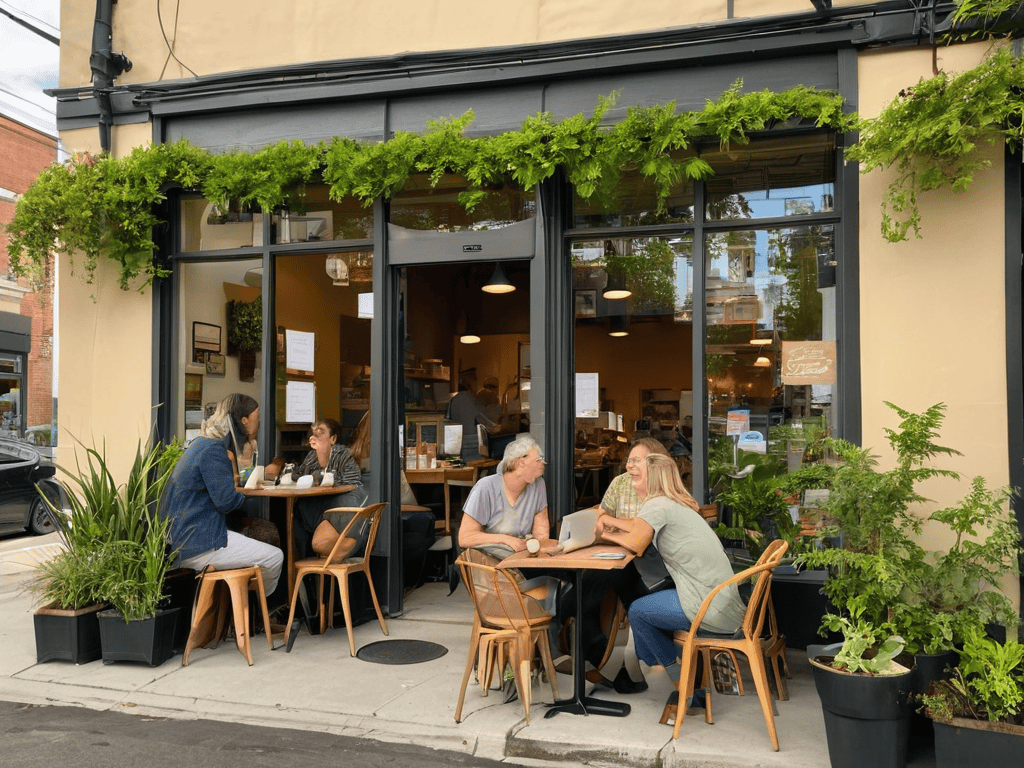
Coffee shops have become essential community hubs, fostering connections and creativity. They offer a welcoming atmosphere, perfect for both casual meetings and focused work. Cozy ambiance is a key factor in their appeal, making them an ideal third place for many.
As people seek to expand their social circles beyond home and work, coffee shops are filling the gap. With their rich aromas and comfortable seating, they provide an inviting space for relaxation and socialization, allowing individuals to unwind and recharge.
Designing Parks for Community
When it comes to designing parks for community, green spaces play a vital role in fostering a sense of belonging among residents. By incorporating features such as walking trails, public art, and seating areas, parks can become vibrant hubs of community activity.
Effective park design should prioritize community engagement, allowing residents to come together and participate in various activities, such as outdoor concerts, farmers’ markets, or volunteer events, which help build stronger, more connected communities.
Revitalizing Urban Spaces
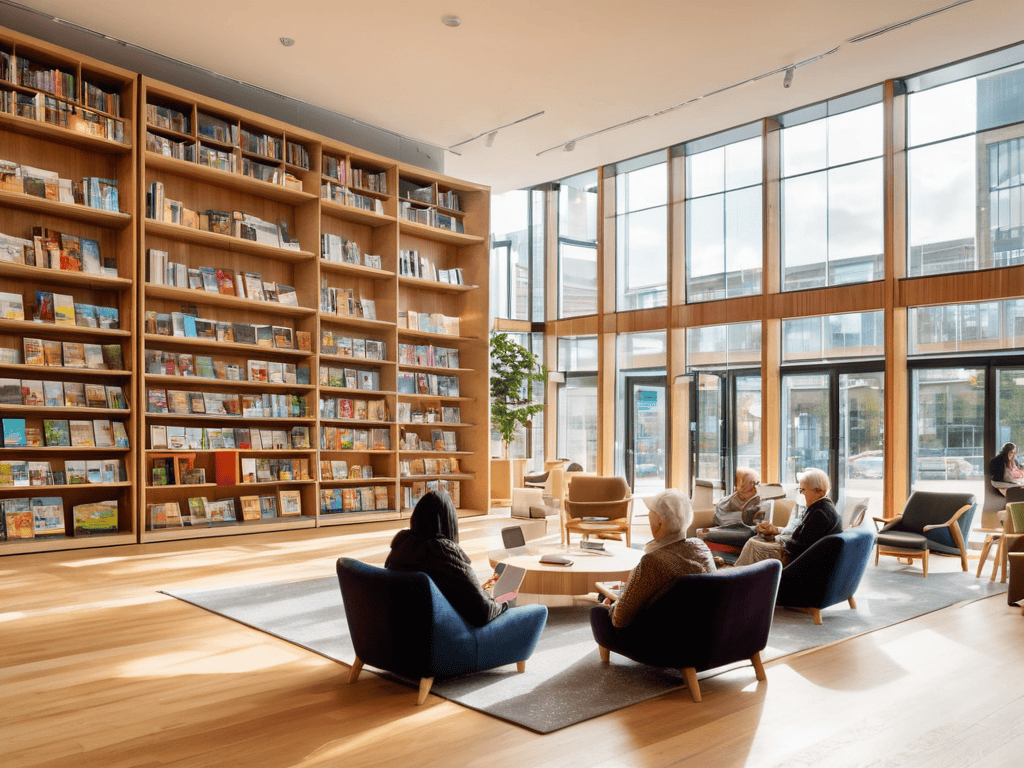
As we explore the concept of revitalizing urban spaces, it’s essential to consider the importance of public libraries as community hubs. These institutions have long been a staple of urban landscapes, providing a welcoming environment for people to gather, learn, and socialize. By incorporating comfortable seating areas, hosting events, and offering a wide range of resources, public libraries have become a vital part of the urban fabric.
In addition to libraries, designing community parks has also played a significant role in revitalizing urban spaces. These parks provide a peaceful escape from the hustle and bustle of city life, allowing individuals to connect with nature and their community. The presence of walking trails, public art, and community gardens has made these parks a beloved destination for people of all ages.
The role of cafes in community building cannot be overstated. Coffee shops have become an integral part of urban landscapes, serving as a social hub where people can gather, work, and socialize. By providing a welcoming atmosphere and hosting events, cafes have helped to foster a sense of community, making them an essential component of revitalizing urban spaces.
Cafes in Community Building
Cafes have become essential in fostering community spirit, providing a space where people can gather, socialize, and feel a sense of belonging. They offer a unique atmosphere that encourages conversation and connection among strangers, which can often lead to meaningful relationships and a stronger sense of community.
The role of cafes in community building cannot be overstated, as they provide a neutral ground where people from diverse backgrounds can come together, share ideas, and participate in local events, ultimately contributing to the vibrant fabric of the community.
Libraries and Mental Health
As I delve into the role of libraries in the ‘Third Place’ Revival, I’m reminded of the profound impact they have on mental well-being. Libraries offer a serene atmosphere, perfect for individuals seeking solace and a sense of community. They provide a space where people can escape the chaos of daily life and focus on personal growth.
The calming ambiance of libraries makes them an ideal setting for people to unwind and relax, which is essential for maintaining good mental health. By providing access to a wide range of resources and activities, libraries help individuals develop coping mechanisms and social connections, further supporting their emotional well-being.
5 Ways to Ignite the 'Third Place' Revival in Your Community
- Transform Underutilized Spaces into Vibrant Hubs
- Foster Inclusive Environments that Encourage Social Connection
- Host Events and Activities that Promote Community Engagement
- Prioritize Comfort and Accessibility in ‘Third Place’ Design
- Engage with Local Stakeholders to Ensure ‘Third Places’ Reflect Community Needs
Key Takeaways from the 'Third Place' Revival
I’ve come to realize that third places like coffee shops, parks, and libraries are crucial for fostering community and social connections in our increasingly isolating urban environments
By redesigning and revitalizing these public spaces, we can have a profound impact on mental health, civic engagement, and overall quality of life, making them hubs for meaningful interactions and relationships
The revival of third places is not just about physical spaces, but about creating opportunities for people to come together, share experiences, and build a sense of belonging, which is essential for our well-being and happiness
Embracing the Revival
As we rediscover the joy of shared public spaces, we’re not just rebuilding communities – we’re rebuilding ourselves, one conversation at a time.
Alexandra Wells
Conclusion
As we’ve explored the revitalization of urban spaces, it’s clear that the ‘Third Place’ Revival is about more than just physical locations – it’s about fostering community and creating spaces where people can connect and thrive. From coffee shops to parks, libraries, and cafes, these hubs are playing a vital role in bringing people together and promoting mental health. By designing and utilizing these spaces effectively, we can help build stronger, more resilient communities.
So, as we look to the future of the ‘Third Place’ Revival, let’s remember that it’s not just about the places themselves, but about the people and connections they facilitate. By embracing and supporting this movement, we can help create a more compassionate, engaged, and vibrant community – one that values the importance of human connection and the power of shared experience.
Frequently Asked Questions
What role can technology play in enhancing the 'Third Place' experience without isolating individuals?
Technology can enhance the ‘Third Place’ experience by facilitating connections, not replacing them. Think interactive community boards, social media groups for local events, or apps that encourage collaboration and engagement, all while preserving face-to-face interaction.
How can smaller, rural communities create their own 'Third Places' with limited resources?
For smaller, rural communities, creating ‘Third Places’ can be as simple as repurposing existing spaces, like old town halls or churches, into community hubs, or even organizing regular town square events to foster connection and a sense of belonging.
What impact do 'Third Places' have on local economies and business development?
Third Places can be a game-changer for local economies, fostering business growth by attracting new customers and creating vibrant community hubs that encourage entrepreneurship and innovation, ultimately boosting the local economy.

Leave a Reply
You must be logged in to post a comment.