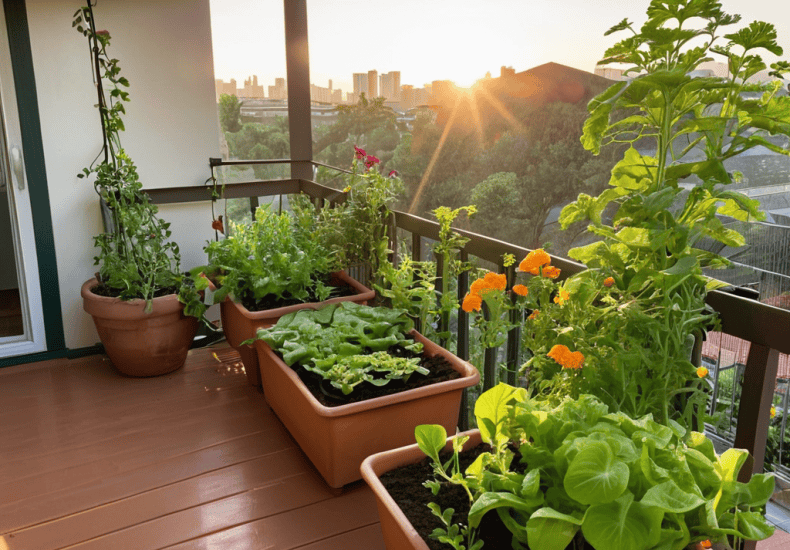
Fish and Food: Setting Up a Small-scale Aquaponics System on Your Balcony
I still remember the day I decided to ditch traditional gardening methods and create my own Aquaponics Balcony Garden. It was a game-changer – I went from having a few lackluster plants to a thriving ecosystem that’s now the envy of all my friends. The best part? It’s incredibly low-maintenance, and I don’t have to worry about dirt or weeding anymore. Despite what many people think, aquaponics isn’t just for large-scale farms or experts; it’s perfectly suitable for a small balcony garden like mine.
In this article, I’ll share my personal experience and practical tips on how to set up and maintain a successful Aquaponics Balcony Garden. You’ll learn how to choose the right equipment, select the best plants and fish for your system, and troubleshoot common issues that may arise. My goal is to provide you with honest and actionable advice that will help you create a beautiful and sustainable aquaponics garden, even if you’re a complete beginner. By the end of this guide, you’ll be well on your way to enjoying the many benefits of aquaponics, from fresh produce to a unique and fascinating hobby.
Table of Contents
Project Overview
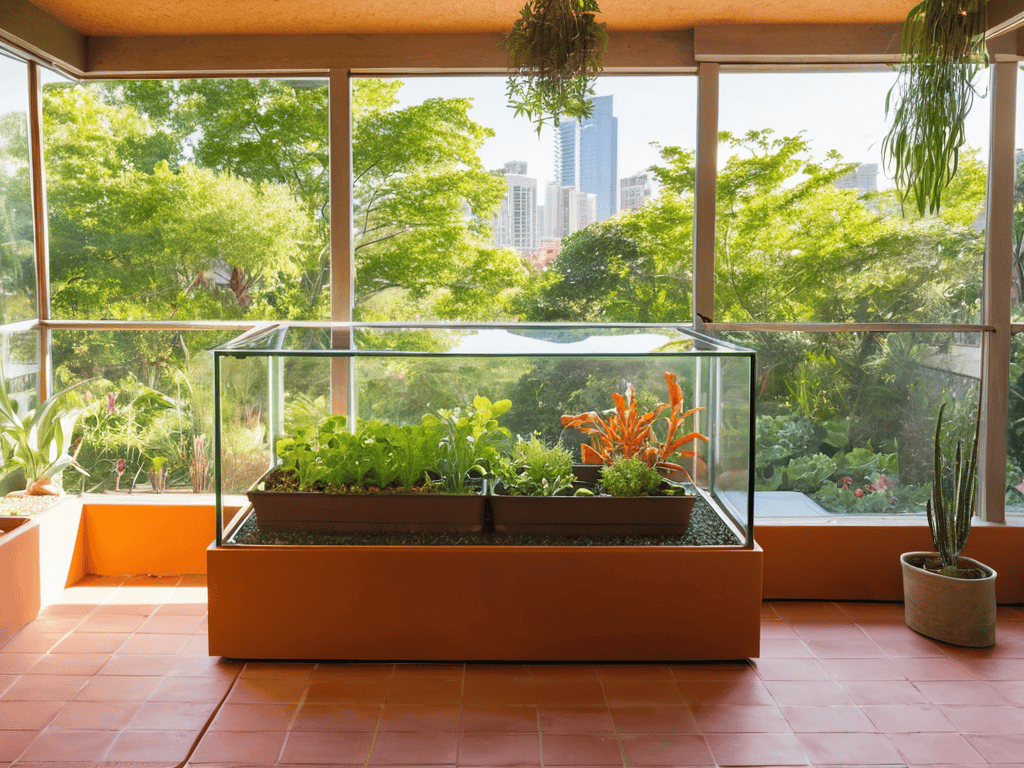
Total Time: 4 hours 30 minutes
Estimated Cost: $100 – $200
Difficulty Level: Intermediate
Tools Required
- Drill ((with screwdriver and drill bits))
- Pump ((submersible water pump))
- Tubing cutter ((for 1/2 inch and 3/4 inch tubing))
- Water test kit ((for pH, ammonia, and nitrite levels))
- Aerator ((optional, but recommended))
- Fish net ((for handling fish))
- Measuring tape ((for measuring 6 inches by 12 inches spaces))
- Level ((to ensure the system is level))
- Wrench ((for tightening and loosening fittings))
Supplies & Materials
- Fish tank ((at least 10 gallons, but 20 gallons recommended))
- Grow bed ((at least 6 inches deep and 2 feet by 4 feet in size))
- Grow media ((such as clay pebbles or lava rock, enough to fill the grow bed to a depth of 6 inches))
- PVC pipes and fittings ((for building the piping system, using 1/2 inch and 3/4 inch pipes and fittings))
- Water pump and aerator ((to circulate and oxygenate the water))
- Air stone ((to increase oxygen levels in the water))
- Beneficial bacteria ((to establish a healthy ecosystem))
- Fish food ((a high-quality commercial flake or pellet food))
- Plants ((such as leafy greens, herbs, or flowers, suitable for aquaponics and able to thrive in a 6 inches deep grow bed))
Step-by-Step Instructions
- 1. First, let’s start with the basics – you’ll need to gather your materials. This includes a fish tank or a container that can hold water, a grow bed for your plants, a pump to circulate the water, and some tubing to connect everything. I found it helpful to make a list and check it twice to ensure I didn’t forget anything.
- 2. Next, you’ll need to set up your fish tank. This involves filling the tank with water, adding a heater if necessary, and introducing your fish. I chose to use goldfish for my aquaponics system, but you can use any type of fish that thrives in a small tank. Just be sure to do plenty of research on the best fish for your climate and the size of your tank.
- 3. Now it’s time to create your grow bed. This is where your plants will grow, and it’s typically a container filled with a growing medium like clay pebbles or rockwool. You’ll need to connect the grow bed to the fish tank using tubing and a pump, which will circulate the nutrient-rich water from the fish tank to the plants. I found it helpful to use a detailed diagram to visualize the setup before I started building.
- 4. With your grow bed in place, you can start adding your plants. Choose plants that thrive in water, like lettuce, herbs, or tomatoes. You’ll need to plant them in the growing medium and make sure they’re getting enough nutrients from the fish tank water. I was amazed at how quickly my plants started to grow and flourish in the aquaponics system.
- 5. As your plants grow, you’ll need to monitor the water quality. This involves checking the pH levels, ammonia levels, and nitrate levels in the water to ensure they’re safe for your fish and plants. You can use a water testing kit to do this, and it’s a good idea to keep a record of your readings to track any changes over time.
- 6. In addition to monitoring the water quality, you’ll also need to maintain your system. This includes cleaning the pump and tubing, checking for leaks, and making sure the water level in the tank is stable. I like to set a reminder on my calendar to perform these tasks on a regular basis, so I don’t forget.
- 7. Finally, be prepared to troubleshoot any issues that arise. This might involve dealing with pests, diseases, or equipment failures. I’ve found that it’s helpful to have a troubleshooting guide on hand, which can walk you through common problems and solutions. With a little practice and patience, you’ll be well on your way to creating a thriving aquaponics balcony garden.
Aquaponics Balcony Garden

As I’ve delved deeper into small space aquaponics design, I’ve discovered the importance of careful planning to maximize space and efficiency. My balcony garden has become a thriving oasis, with a vertical aquaponics system that not only saves space but also adds a unique visual element. By stacking grow beds and incorporating a trellis system, I’ve created a lush, layered landscape that’s perfect for urban gardening.
One of the most critical aspects of maintaining a healthy aquaponic system is balcony garden fish care. I’ve learned to monitor water quality and maintain a stable environment for my fish, which in turn helps to keep my plants healthy and thriving. Regular water testing and proper feeding schedules have become essential parts of my daily routine. By prioritizing the health of my fish, I’ve created a balanced ecosystem that’s low-maintenance and rewarding.
To take my urban aquaponics gardening to the next level, I’ve started experimenting with indoor aquaponics lighting to extend the growing season. By supplementing natural light with LED grow lights, I’ve been able to grow a wider variety of plants and increase yields. This has also allowed me to move some of my plants indoors during harsh weather conditions, ensuring a consistent harvest throughout the year.
Balcony Garden Fish Care Essentials
As I continue to learn and grow with my aquaponics balcony garden, I’ve found that connecting with other like-minded individuals has been incredibly valuable – it’s amazing how much you can learn from others who are passionate about sustainable living. One resource that I’ve personally found to be really helpful is the t4m melbourne community, which offers a wealth of information and support for those looking to create their own self-sustaining ecosystems. Whether you’re just starting out or are looking to take your aquaponics game to the next level, I highly recommend checking them out and seeing what they have to offer – you never know what new ideas you might discover.
To keep my aquaponics balcony garden thriving, I’ve learned that fish care is paramount. Regular water quality checks are a must, ensuring ammonia and nitrite levels are in check. I also make sure to feed my fish a balanced diet, and only as much as they can consume within a minute or two, to prevent overfeeding.
This careful approach has allowed me to create a harmonious environment where both my plants and fish flourish. By monitoring water temperature, pH, and maintaining adequate oxygen levels, I’ve been able to keep my fish healthy and happy, which in turn keeps my plants well-nourished and thriving.
Small Space Aquaponics Design Tips
When it comes to designing an aquaponics system for a small balcony, every inch counts. I’ve learned to make the most of my space by using vertical planters and trellises to train vining plants like tomatoes and cucumbers to grow upwards. This not only maximizes my growing area but also adds a decorative element to my balcony. Additionally, I’ve incorporated a small pump and piping system that fits neatly into a corner, keeping my floor space clear.
To further optimize my setup, I’ve chosen compact, lightweight equipment that’s easy to move around. This flexibility is key when working with limited space, as it allows me to rearrange my system as needed to ensure everything is running smoothly. By carefully selecting each component and considering the unique constraints of my balcony, I’ve created a thriving aquaponics system that’s both functional and visually appealing.
Thriving in Tight Spaces: 5 Essential Aquaponics Balcony Garden Tips
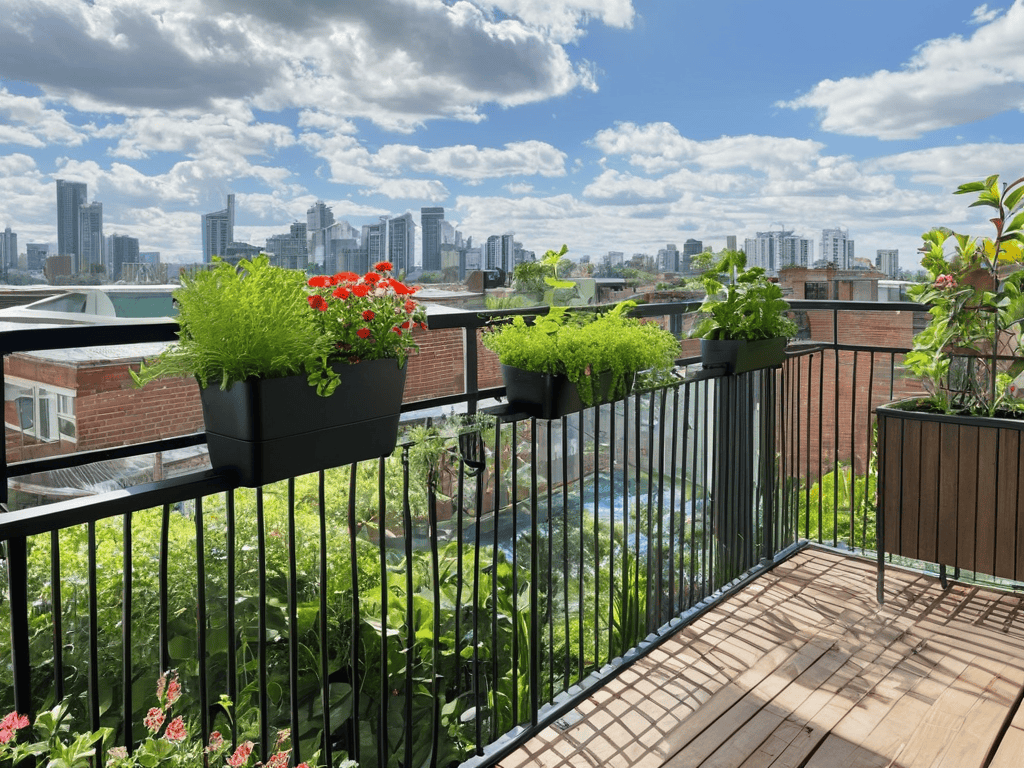
- Maximize Vertical Space: Use stackable planters or trellises to make the most of your balcony’s vertical space, allowing for a greater variety of plants and a more efficient use of resources
- Choose the Right Fish: Select fish species that are well-suited for small spaces and can thrive in the conditions provided by your aquaponics system, such as goldfish or small koi
- Maintain Optimal Water Quality: Regularly test and maintain the optimal pH, ammonia, and nitrite levels in your aquaponics system to ensure the health and well-being of both your fish and plants
- Select Hardy, Low-Maintenance Plants: Opt for plants that are adapted to thrive in aquaponics systems and can tolerate some fluctuations in water quality, such as leafy greens or herbs
- Monitor and Adapt: Continuously monitor your aquaponics balcony garden’s performance and be prepared to make adjustments as needed to maintain a balanced and thriving ecosystem
Key Takeaways for Your Thriving Aquaponics Balcony Garden
I’ve learned that starting small and choosing the right fish and plants for your aquaponics system is crucial for its success and your sanity
Regular water testing and maintaining a balanced ecosystem is vital to keeping your fish healthy and your plants thriving – it’s an ongoing process but worth it
Don’t be afraid to experiment and get creative with your aquaponics balcony garden design – it’s amazing how much you can grow in a tiny space with a little ingenuity
Cultivating Life in Small Spaces
My aquaponics balcony garden has taught me that even in the smallest of spaces, we can create thriving ecosystems that not only feed our bodies, but also nourish our souls.
Emily J. Miller
Conclusion
As we’ve explored the world of aquaponics balcony gardens, it’s clear that with the right design and care, these systems can thrive even in the smallest of spaces. From choosing the right fish and plants to maintaining the delicate balance of the ecosystem, there are many factors to consider when setting up and maintaining your own aquaponics balcony garden. By following the small space aquaponics design tips and balcony garden fish care essentials outlined in this guide, you’ll be well on your way to creating a thriving and sustainable garden that will provide you with fresh produce and a unique conversation piece for years to come.
So why not take the plunge and turn your balcony into a lush oasis? With aquaponics, you can create a self-sustaining ecosystem that will inspire and delight you every day. Imagine being able to step out onto your balcony and harvest fresh lettuce or herbs for your dinner, or simply sit back and enjoy the soothing sounds of your aquaponics system at work. The possibilities are endless, and with a little creativity and experimentation, you can create a truly one-of-a-kind aquaponics balcony garden that reflects your personality and style.
Frequently Asked Questions
What are the most suitable fish species for a small aquaponics balcony garden?
I’ve had great luck with goldfish and koi, but for a small space, I think white cloud mountain minnows or dwarf gouramis are perfect – they’re low maintenance and thrive in smaller systems, plus they’re super pretty to watch!
How often should I harvest plants in my aquaponics balcony garden to maintain a healthy balance?
Honestly, I harvest my aquaponics plants every 1-2 weeks, depending on the type and growth. For leafy greens like lettuce, it’s usually every week, while fruiting plants like tomatoes need a bit more time. I just keep an eye on their progress and snip or pick when they’re ready – it’s amazing how quickly they regrow in this system!
What are some common mistakes to avoid when setting up and maintaining an aquaponics balcony garden?
Honestly, I’ve learned the hard way – don’t overcrowd your tank, and make sure to cycle your system before adding fish. Also, keep an eye on those water levels and pH balances, or you’ll be dealing with a whole lot of stress and potentially sickly fish. Trust me, I’ve been there!

Leave a Reply
You must be logged in to post a comment.