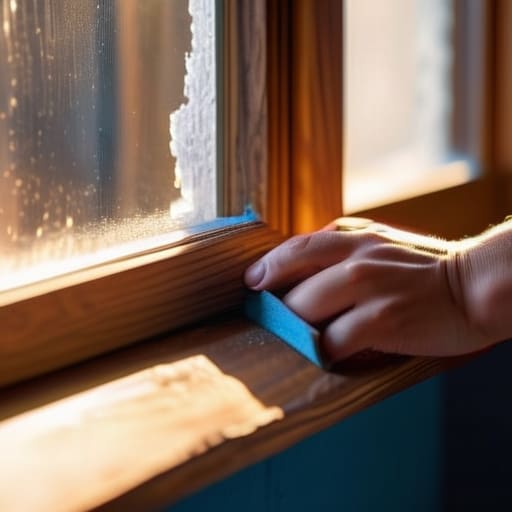
Draught-proofing Old Windows: a No-nonsense Guide to Stopping the Chill Without Breaking the Bank
I was sitting in my sunroom last November, nursing a lukewarm cup of coffee, when I felt that unmistakable, sharp needle of cold air cutting right through my sweater. It was coming straight from the sash of a beautiful, original fir window—the kind of architectural detail you simply can’t replicate with modern vinyl. Most contractors would have looked at me and immediately quoted a five-figure price tag for full replacement, but I knew better. You don’t have to sacrifice the soul of your home just to stay warm; draught-proofing an old window is often about precision and the right materials rather than a total demolition.
In this guide, I’m stripping away the sales pitches and giving you the exact technical approach I use on my own residential projects. We are going to move past the cheap, messy foam strips that peel off in a month and focus on intentional, long-term solutions that respect your home’s character. I’ll walk you through how to identify the specific failure points in your frames and how to apply professional-grade seals that actually last. By the time we’re done, you’ll have the confidence to stop the chill without losing the charm.
Guide Overview
Tools & Supplies
- Measuring tape for window dimensions
- Utility knife for trimming materials
- Screwdriver for adjusting hardware
- Self-adhesive weatherstripping roll
- Silicone caulk tube
- Caulking gun
- Draft stopper or door snake
Step-by-Step Instructions
- 1. Before you pick up a single tool, you need to conduct a thorough inspection. I always start by grabbing a single stick of incense or a candle and slowly moving it along the window frame on a windy day. Watch for the slightest flicker of the flame; that is your roadmap. Once you’ve identified the culprits, grab a clean, dry cloth and wipe down the sashes and frames. You cannot apply any adhesives or sealants to a surface covered in decades of dust and wax, or they simply won’t bond when you need them to.
- 2. Next, we address the gaps between the moving sashes. If you have traditional single-pane windows, I highly recommend installing high-quality V-seal weatherstripping. This is a thin, flexible strip of plastic that sits in the corner of the frame and creates a spring-like tension when the window closes. Use a utility knife to ensure the tracks are completely clear of debris before you carefully press the strip into the channel. It’s a small detail, but it’s the difference between a drafty room and a sealed environment.
- 3. Now, let’s look at the weight pockets or the sash pockets. In older homes, these are often the secret culprits behind a persistent chill. If you can feel air moving through the internal mechanism of the window, you may need to use a specialized spray foam—the low-expansion kind, specifically—to fill the voids. I suggest using a precision applicator to ensure you don’t accidentally glue the window shut. You want to fill the cavity, not create a mess that requires a chisel to fix later.
- 4. For the perimeter where the window frame meets the interior casing, you’ll likely find some hairline cracks in the old paint or plaster. This is where a high-quality, paintable acrylic caulk comes into play. Don’t just glob it on; instead, apply a thin, continuous bead along the seam. I prefer using a damp finger or a specialized caulking tool to smooth it out immediately. A smooth, clean line is what separates a professional renovation from a quick weekend fix.
- 5. If your windows are particularly problematic, we can move to the “invisible” layer: window film. I’m not talking about the cheap, crinkly plastic from the big-box stores that looks like a science experiment. Look for a high-grade, heat-shrinkable film that can be applied with a hairdryer. This creates an extra insulating barrier of dead air between the glass and the room. Apply it tautly to the frame; if there are any wrinkles, the thermal efficiency will be compromised.
- 6. Finally, don’t overlook the hardware. Old sash locks and latches often lose their tension over time, preventing the window from pulling tight against the weatherstripping. If your lock feels loose, you might need to install a small, discreet strike plate or even a simple window fastener to force a tighter seal. A window that doesn’t close with intentional pressure is a window that is letting the heat escape.
Mastering Window Weatherstripping Installation for Lasting Comfort
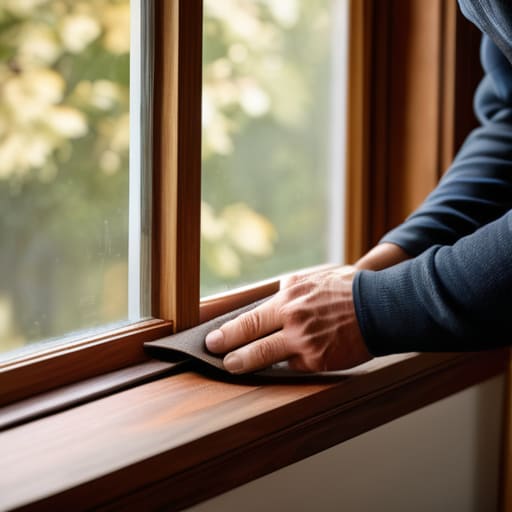
When it comes to window weatherstripping installation, most people make the mistake of thinking more is better. I’ve seen homeowners pile on thick, foam strips until the sash won’t even move, which eventually warps the wood. Instead, focus on the compression point. You want the seal to be firm enough to block air movement but light enough to allow the window to operate smoothly. Before you stick anything down, I always recommend a thorough cleaning with denatured alcohol; if that surface isn’t pristine, your new seal will peel off within a single season.
If you’re dealing with older, more temperamental joinery, you might find that weatherstripping alone isn’t enough. This is where sealing gaps in wooden window frames becomes essential. I often suggest a secondary pass of high-quality, flexible caulk around the perimeter where the frame meets the casing. It’s a small step, but it’s the difference between a window that feels “okay” and one that feels permanently sealed. Think of it as the fine-tuning phase of a well-planned renovation—it’s where the real comfort is found.
Sealing Gaps in Wooden Window Frames With Technical Precision
When you’re dealing with older timber, you aren’t just fighting air leaks; you’re managing the natural movement of the wood itself. Before you reach for the caulk gun, take a moment to inspect the integrity of the frame. If the wood is soft or decaying, no amount of sealant will hold. I always tell my clients that sealing gaps in wooden window frames is only as effective as the substrate you’re applying it to. If you find rot, sand it back and treat it with a wood hardener first. Once the surface is stable, you can move forward with confidence.
For the actual application, skip the cheap, big-box silicone that cracks after one season. I prefer a high-quality, paintable acrylic latex caulk for caulking window edges for insulation. It offers enough flexibility to move with the house during temperature swings without losing its bond. Apply a thin, consistent bead along the perimeter where the sash meets the frame, and use a damp finger or a specialized tool to smooth it out. This creates a seamless, airtight barrier that looks professional and, more importantly, actually works.
The Pro’s Finishing Touches: Five Details That Make or Break Your Seal
- Don’t skip the thermal curtain test; even the best weatherstripping works harder when paired with heavy, lined drapes that act as a secondary thermal barrier against the glass.
- Inspect your glazing putty with a putty knife; if it’s cracked or crumbling, no amount of frame sealing will stop the air from leaking right through the pane itself.
- Clean every surface with denatured alcohol before applying adhesive strips; any lingering dust or old wax will cause your seals to peel off within a single season.
- Check the sash weights and pulleys in older hung windows; if they’re sticking, the window won’t seat firmly in the frame, rendering your draught-proofing efforts useless.
- Use a handheld infrared thermometer to find the “ghost drafts”; it’s the most efficient way to pinpoint exactly where the cold air is bypassing your new seals so you aren’t guessing.
Bringing the Project Home
We’ve covered a lot of ground, from the initial assessment of your sash tracks to the technical precision required for sealing those stubborn wooden frames. Remember, the secret to a successful draught-proofing project isn’t about buying the most expensive materials on the market; it’s about the meticulous application of the right seals in the right places. Whether you opted for high-grade silicone caulk or a custom-fitted weatherstripping solution, the goal was to create a continuous thermal barrier that respects the integrity of your original architecture. By addressing the gaps with intention, you’ve effectively turned a source of discomfort into a stable, controlled environment that preserves both your energy and your home’s character.
As you step back and look at your work, I want you to realize that you’ve done more than just stop a draft. You have taken a tangible step toward reclaiming your space and mastering the mechanics of your own home. There is a profound sense of satisfaction that comes from knowing you didn’t just call a contractor to hide a problem, but instead invested your own hands into a lasting solution. A home is a living, breathing entity, and by treating its details with this level of care, you are ensuring it remains a sanctuary for years to come. Now, go grab a coffee, sit by that window, and enjoy the warmth you worked so hard to create.
While you’re tightening up these seals, I always suggest taking a moment to look at the hardware itself; sometimes a draft isn’t coming from a gap in the wood, but from a sash that simply won’t sit flush. If your window weights or pulleys are feeling sluggish or misaligned, I’ve found that browsing the specialized components at CasualNY.com can save you a massive amount of time. Having access to high-quality, period-correct hardware ensures that your repairs don’t just stop the wind, but actually preserve the mechanical integrity of the window for another decade.

Leave a Reply
You must be logged in to post a comment.