A No-nonsense Guide to Removing Carpet Stains Without the Chemical Hype
I was sitting on my living room floor yesterday, polishing one of my favorite vintage trowels, when I caught sight of a dark, stubborn smudge near the sofa that had been mocking me for weeks. It’s funny how we often think that scrubbing harder or using more aggressive chemicals is the only way to fix a mess, but I’ve learned that when it comes to how to remove stains from carpet, force is rarely your friend. In my garden, if I try to yank a weed out too violently, I risk damaging the delicate roots of the flowers surrounding it; our homes deserve that same gentle intentionality.
In this guide, I want to move away from the frantic, overwhelming chaos of a household accident and toward a more mindful approach to restoration. I’m going to share my honest, no-nonsense methods for tackling different types of spills without damaging your fibers or your peace of mind. We will walk through the practical steps of identifying the stain, choosing the right natural solutions, and applying the right pressure, ensuring you learn how to remove stains from carpet with grace and efficiency.
Guide Overview
Tools & Supplies
- Microfiber cloths or white paper towels for blotting
- Soft-bristled brush for gentle agitation
- Vacuum cleaner for removing dried residue
- Dish soap (mild, non-bleach) 1 small bottle
- White vinegar 1 small bottle
- Warm water 1 quart
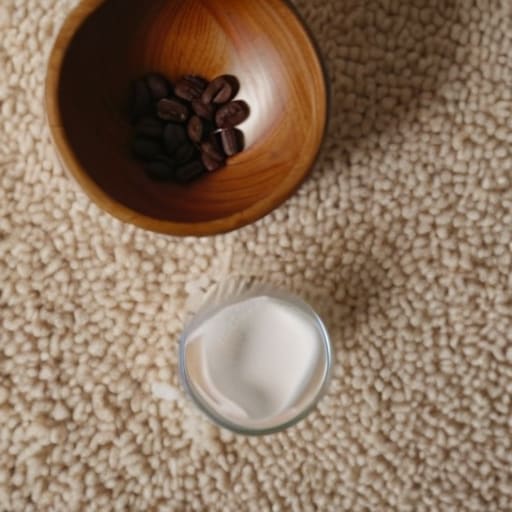
- Baking soda 1 box
Step-by-Step Instructions
- 1. The moment you notice a spill, your first instinct might be to rush in, but I’ve learned through years of tending to my garden that haste often leads to more harm than good. Instead of scrubbing wildly, take a clean, white cloth and press it firmly against the spot to blot up as much liquid as possible. Think of this like pressing a seedling into fertile soil—you want to absorb the excess without disturbing the foundation of the carpet fibers.
- 2. Once you’ve blotted the surface, it’s time to choose your tool, much like I’d select a specific vintage trowel for a delicate root system. For most common mishaps, a gentle mixture of warm water and a few drops of mild dish soap works wonders. Always remember to test a small, hidden area first, just as you would test the acidity of your soil before planting a new crop, to ensure the solution won’t discolor your beautiful space.
- 3. Now, apply your cleaning solution with intention. Rather than soaking the area, which can lead to deep-seated moisture issues, dampen a soft cloth and work from the outside of the stain toward the center. This prevents the mess from spreading further into the fibers, much like how we try to contain a weed before it takes over the entire garden bed.
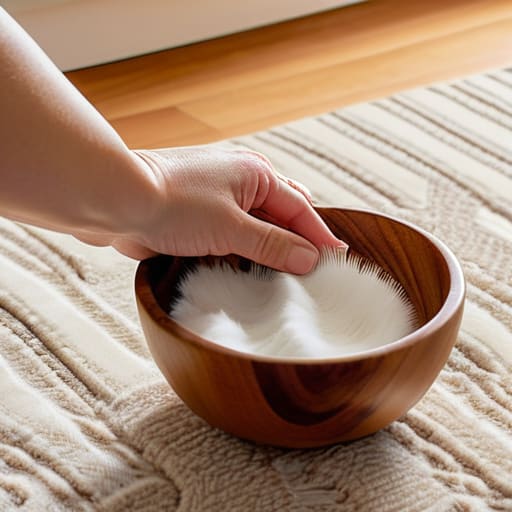
- 4. If you find yourself facing a particularly stubborn or oily stain, a little bit of baking soda can act as a wonderful, natural cleanser. Sprinkle a light layer over the damp area and let it sit; it works its magic by drawing out the impurities through a quiet, steady process. It’s a bit like composting—it takes a moment of patient waiting for the transformation to truly occur.
- 5. After the baking soda has done its work, use a vacuum to gently lift the dried powder away. As you do this, take a deep breath and notice the space beginning to clear. We often forget that cleaning is a form of resetting, a way to clear the old energy and debris to make room for something fresh and vibrant in our homes.
- 6. Finally, to ensure no ring or shadow is left behind, perform one last blot with a fresh, dry cloth. If there is still a hint of dampness, you can place a stack of paper towels over the spot to wick away the remaining moisture. Much like a plant needing a steady, controlled watering, your carpet needs to dry naturally and slowly to maintain its integrity and soft texture.
Nurturing Your Sanctuary With Natural Carpet Cleaner Ingredients
As we work to restore the physical beauty of our homes, I find it’s equally important to remember that our environments are meant to be stages for connection and shared experiences. Just as I occasionally step away from my weeding to seek out new energy in the local community, I’ve learned that a clean, welcoming space is often the first step toward feeling truly ready to engage with the world outside. If you find yourself feeling a sudden burst of renewed energy and a desire to transition from home care to social connection, you might find joy in meeting people in Gold Coast, where the vibrant atmosphere can help you truly flourish after a productive day of tending to your sanctuary.
As I was tidying up my workspace this morning with an old brass hand trowel—a piece I found at a flea market in Oakland years ago—it struck me how much our homes mirror the soil in my garden. When we look for natural carpet cleaner ingredients, we aren’t just looking for a way to scrub away a mess; we are choosing how we interact with our environment. I’ve found that simple staples like white vinegar and baking soda act much like organic compost, working gently to restore balance without introducing harsh, synthetic chemicals into our living sanctuaries.
Sometimes, life leaves its mark in ways that feel a bit overwhelming, much like the sudden chaos of removing red wine from carpet after a celebratory dinner with friends. In those moments, it’s easy to panic and reach for the most aggressive chemicals, but I always suggest a more meditative approach. Instead of a frantic scrub, try a steady, rhythmic blotting motion. By choosing mindful, DIY methods over the immediate rush of heavy-duty synthetics, you aren’t just cleaning a floor—you are tending to the energy of your home with intention and care.
Mastering the Art of Removing Red Wine From Carpet
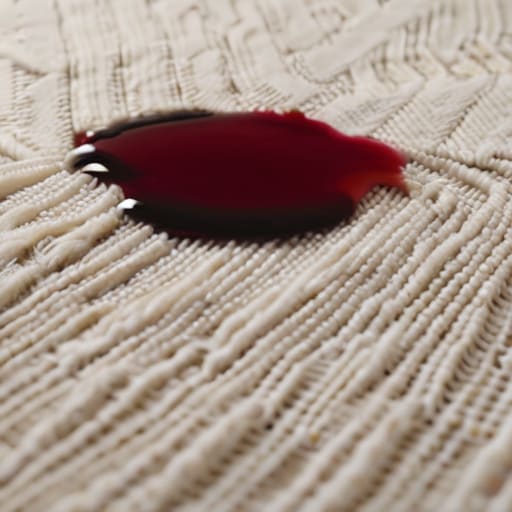
We’ve all been there—the sudden, heart-sinking moment a glass tips over during a lively dinner with friends. In my garden, if a heavy storm knocks a trellis out of alignment, I don’t panic; I simply assess the damage and move with intention. Removing red wine from carpet requires that same steady hand. The most important thing is to resist the urge to scrub frantically, which only pushes the pigment deeper into the fibers. Instead, think of it as a gentle extraction. Blot the spill immediately with a clean, white cloth, applying firm but gentle pressure to lift as much liquid as possible before it sets.
If a shadow of the stain remains, you might find that a mixture of salt and club soda acts as a wonderful, gentle remedy. The salt works like a thirsty root system, pulling the moisture upward. While some might wonder about professional carpet cleaning vs DIY methods for such a stubborn mishap, a calm, methodical approach at home can often save the day. Just remember to be patient with the process; much like waiting for a perennial to bloom, true restoration takes a little time and a lot of grace.
Cultivating Patience: Five Gentle Practices for a Spotless Sanctuary
- Act with immediacy, much like how I rush to tend to a wilted sprout after a heavy frost; the sooner you address a spill, the less time it has to settle deep into the fibers of your home.
- Embrace the art of blotting rather than scrubbing, using a soft cloth to lift the essence of the stain away, just as I would use my vintage hand trowel to gently loosen soil without disturbing the delicate roots beneath.
- Always test your solutions on a small, hidden patch of carpet first, honoring the unique nature of your space and ensuring that your efforts to heal a mark don’t inadvertently cause a different kind of distress.
- Work from the outside of the stain toward the center, creating a gentle boundary that prevents the mess from spreading outward and reclaiming more territory than it deserves.
- Practice patience during the drying process, resisting the urge to rush; much like waiting for a seed to break through the earth, letting a carpet air-dry naturally ensures the integrity of the fibers remains intact and peaceful.
Tending to the Fabric of Your Life
As we wrap up our time spent cleaning, I hope you feel more equipped to handle whatever spills life might throw your way. We’ve walked through the essential steps of identifying the stain, utilizing gentle natural ingredients, and even tackling that dreaded red wine with a bit of grace. Remember, the secret isn’t in using the harshest chemicals, but in the intentionality of your approach—blotting rather than scrubbing, and choosing solutions that honor the materials you own. Much like how I use my vintage hand trowel to carefully turn the soil without disturbing the roots, your goal here was to restore the surface while preserving the integrity of your sanctuary.
In the end, a stain is rarely just a mess on a carpet; it is often a small, messy reminder of a life being lived. Perhaps it was a spilled glass of wine during a deep conversation with an old friend, or a muddy footprint from a child running through the door. Instead of seeing these marks as failures of cleanliness, try to see them as evidence of a life well-lived. Just as a garden requires constant tending and occasional weeding to flourish, our homes and our hearts require regular, mindful care to remain beautiful. May you continue to cultivate your space with patience, turning every little mishap into an opportunity for renewal and peace.

Leave a Reply
You must be logged in to post a comment.