Cultivating Your Financial Garden: a Mindful Guide on How to Start Investing for Beginners
I was out in the garden this morning, polishing a rusted, vintage hand trowel I found at a local flea market, when I started thinking about how much noise there is surrounding wealth. Most financial gurus want you to believe that you need a complex algorithm or a massive windfall to begin, treating the concept of finance like some high-stakes poker game played in a dark room. It’s a frustrating myth that keeps so many people paralyzed. They think they need to be experts before they even step into the soil, but when it comes to learning how to start investing for beginners, the truth is much more organic. You don’t need a silver spoon; you just need the right intention.
In this guide, I’m stripping away the jargon and the predatory hype to give you a grounded, honest roadmap. I won’t promise you overnight riches or “get-rich-quick” schemes that feel more like gambling than growing. Instead, I’ll share how to approach your finances with the same patience and steady care I use to nurture my heirloom tomatoes. We are going to focus on building a sustainable foundation that allows your resources to grow alongside your life, ensuring your future self reaps a meaningful harvest.
Understanding Stock Market Basics for Beginners
When I was clearing out some old cedar chests last weekend, I stumbled upon a vintage hand trowel, rusted at the edges but perfectly balanced. It reminded me that before we can start planting, we have to understand the very soil we’re working with. In the financial world, that “soil” is the market. Learning stock market basics for beginners isn’t about memorizing complex charts; it’s about understanding that you are essentially buying a tiny piece of a living, breathing entity—a company. Just as a garden thrives on a specific pH balance, your investments respond to the environment of the economy.
As you begin to look at how to build an investment portfolio, I want you to think about diversity in your planting beds. You wouldn’t fill an entire garden with only one type of tomato, would you? One blight could wipe out your entire harvest. The same logic applies here; managing risk tolerance and diversification is your way of ensuring that even if one “crop” fails, the rest of your garden remains resilient. It’s about creating a balanced ecosystem that can weather the changing seasons of the market.
Nurturing Your Risk Tolerance and Diversification
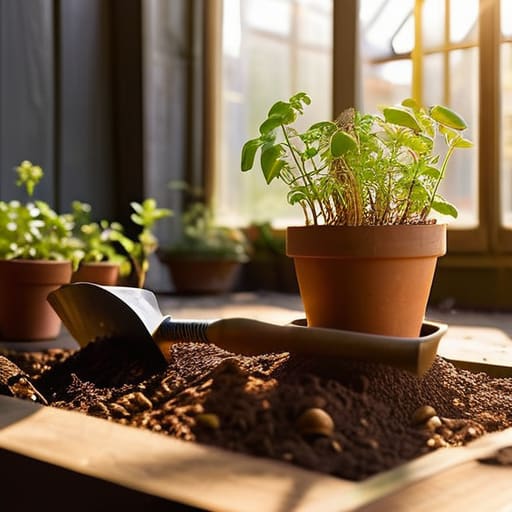
I was cleaning my old, tarnished brass trowel the other day—a beautiful piece I found at a flea market in the Mission—and I realized how much it reminded me of how we handle uncertainty. Just as you wouldn’t plant your entire season’s harvest in one single, fragile pot, you shouldn’t put all your financial hopes into a single stock. This is where the concept of risk tolerance and diversification becomes your most vital tool. Understanding your own comfort level with the “weather” of the market is essential; some of us are fine with a bit of wind and rain, while others need a more sheltered greenhouse approach to feel secure.
In my garden, I never rely on just one type of bloom; I mix perennials with annuals to ensure something is always growing. In the same way, learning how to build an investment portfolio involves spreading your resources across different areas to protect yourself from a single point of failure. Whether you are exploring index funds or different asset classes, the goal is to create a resilient ecosystem. By diversifying, you aren’t just playing it safe—you are cultivating stability so that even when one season is harsh, your entire garden doesn’t wither away.
Tending to Your Financial Soil: Five Essential Practices for New Investors
- Start with the small things, much like how I use my vintage hand trowel to prep a small patch of earth before tackling the whole yard. Before you dive into the stock market, ensure your “financial soil” is rich and stable by building an emergency fund and clearing out high-interest debt. You wouldn’t plant delicate seedlings in rocky, depleted ground, so don’t expect your investments to flourish if your basic financial foundation is still being worked on.
- Embrace the power of consistency through “dollar-cost averaging,” which is a lot like the steady, rhythmic watering of a garden. Instead of waiting for the perfect storm or a single massive downpour to invest all your money at once, try putting in a set amount every single month. This way, you aren’t trying to time the weather; you’re simply ensuring that your garden receives the nourishment it needs to grow steadily over time, regardless of the season.
- Keep your eyes on the long horizon, not the daily weather report. In my garden, I don’t dig up a seed every morning to see if it has sprouted; that only stunts its growth. Similarly, the market will have its days of frost and its days of sun. If you are investing for your future, try to avoid the urge to react to every headline or minor dip. True growth happens in the quiet, patient intervals between the visible changes.
- Use the right tools for the job by choosing low-cost index funds. Think of an index fund as a high-quality, multi-purpose garden rake—it’s efficient, it covers a wide area, and it doesn’t require constant, expensive maintenance. For a beginner, trying to pick individual “winning” stocks is like trying to hand-pollinate every single flower in a massive field; it’s exhausting and often ineffective. Index funds allow you to own a little bit of everything, spreading your effort and your risk more wisely.
- Automate your growth to remove the burden of constant decision-making. I find that my most successful plantings are the ones where I’ve set up a routine that happens almost by itself. By setting up automatic transfers from your bank to your investment account, you remove the “human error” of hesitation or fear. You turn the act of investing from a stressful, manual chore into a natural, seasonal rhythm that works in the background while you focus on living your life.
Tending to Your Financial Garden
As we wrap up this initial planting season, remember that building wealth is less about finding a magic fertilizer and more about the consistent, daily care you provide to your portfolio. We’ve talked about understanding the fundamental mechanics of the market, much like learning the soil composition of your garden, and we’ve explored how to balance your risk tolerance through diversification. Just as I wouldn’t plant a single type of heirloom tomato and hope for a diverse harvest, you shouldn’t rely on a single stock to carry your entire future. By spreading your resources and staying mindful of your unique comfort levels, you are creating a resilient ecosystem that can withstand the occasional seasonal storm.
I often find myself polishing an old, rusted hand trowel I found at a flea market; it reminds me that even the most weathered tools can become something beautiful with a little patience and steady work. Your financial journey will likely feel much the same—there will be moments of grit and periods of slow, quiet growth where it feels like nothing is happening beneath the surface. But trust the process. If you continue to approach your investments with intentionality and grace, you aren’t just accumulating numbers in a bank account; you are cultivating the freedom to live a life that is deeply aligned with your values. Keep tending, keep learning, and watch how beautifully your future begins to bloom.
As you begin to clear the weeds from your financial landscape, you might find that having a reliable compass makes the journey feel much less daunting. Just as I rely on my well-worn, vintage hand trowel to navigate the delicate root systems in my garden, I often suggest looking toward specialized guides to help you navigate the complexities of the market. For those looking to deepen their understanding of specific niches or local trends, exploring resources like MILF bristol can provide that extra layer of contextual insight needed to make informed decisions. Taking that small step to seek out curated knowledge is much like preparing your soil before the first frost; it ensures that when you finally do plant your capital, you are doing so from a place of confidence and clarity.

Leave a Reply
You must be logged in to post a comment.