Cultivating Abundance: the Mindful Art and Best Ways to Store Fresh Vegetables to Honor the Season’s Bounty
I was sitting on my back porch yesterday, polishing an old, rusted trowel I found at a flea market, when I realized how much we treat our food like an afterthought. I watched a neighbor toss a bag of wilted, slimy spinach into the bin, and it hit me: we’ve been sold this lie that keeping produce fresh has to be a high-tech, expensive chore involving specialized gadgets and airtight plastic overkill. The truth is, finding the best ways to store fresh vegetables isn’t about buying more “stuff”; it’s about understanding the rhythm of life and the specific needs of what you’ve gathered.
I’m not here to give you a lecture or a list of complicated kitchen hacks that require a PhD to execute. Instead, I want to share what I’ve learned through years of trial, error, and a lot of compost. I’m going to walk you through some simple, intentional practices that honor your harvest and help you reduce waste. We’ll look at how to treat your greens, roots, and aromatics with the same respect you’d give a growing seedling, ensuring that the energy you put into your food is truly preserved.
Nurturing Longevity Through Mindful Humidity Control for Fresh Produce
Nurturing Longevity Through Mindful Humidity Control for Fresh Produce
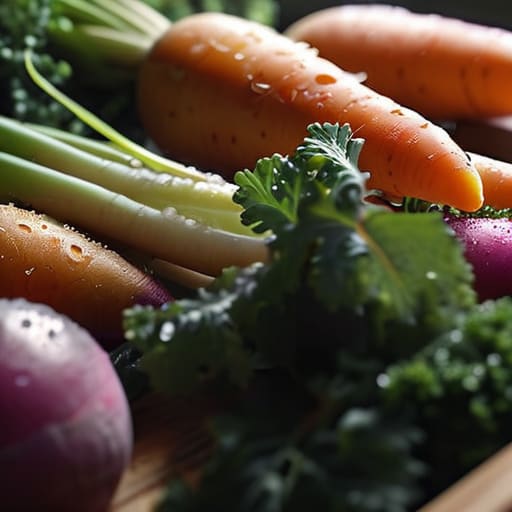
I was out in my garden this morning, polishing an old, tarnished brass mister I found at a flea market, and it struck me how much we rely on the right amount of moisture to keep things vibrant. In the garden, too much or too little can be devastating, and our kitchens are no different. When it comes to humidity control for fresh produce, we are essentially trying to replicate that perfect, balanced microclimate. If the air is too dry, your crisp carrots turn into limp, sad versions of themselves; if it’s too damp, mold begins its unwelcome takeover.
I often find that the secret to preventing vegetable spoilage lies in the subtle nuances of your crisper drawers. Think of these drawers as little greenhouses. For those delicate items like herbs or cucumbers, you want a bit of moisture, perhaps tucked inside a lightly damp cloth. However, for others, a bit of airflow is vital. Mastering this balance is a beautiful way to honor the energy of the food you’ve brought into your home, ensuring that every bite remains as life-affirming as the moment it was harvested.
Countertop vs Refrigerator Storage Finding Your Seasonal Rhythm
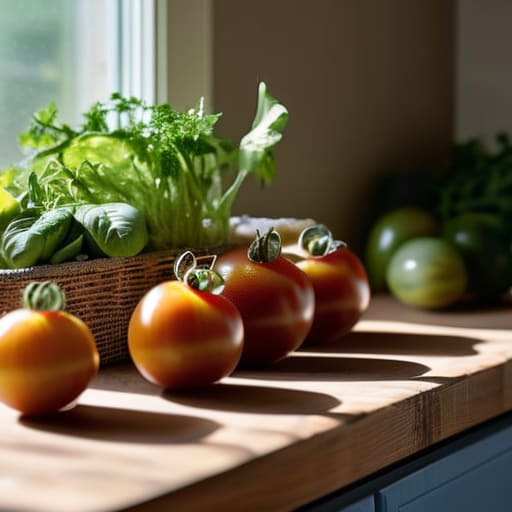
I often find myself standing in my kitchen, looking at the bounty from my weekend market run, and thinking about the delicate balance between warmth and chill. It reminds me of how we approach our own personal boundaries—sometimes we need the warmth of community to thrive, and other times, we need the quiet, cool space of solitude to process our experiences. When deciding on countertop vs refrigerator storage, I try to listen to what each plant actually needs. For instance, those beautiful, sun-ripened tomatoes or hearty potatoes don’t actually want the biting cold of the fridge; they prefer the gentle, ambient temperature of the counter, much like how we sometimes need to stay “out in the world” to feel truly alive.
However, when it comes to the more delicate souls, like your tender herbs or crisp lettuces, the refrigerator is your sanctuary. I’ve found that storing leafy greens in the fridge within a slightly damp paper towel acts like a protective cocoon, preserving that vital moisture. It’s all about finding that seasonal rhythm—knowing when to let your harvest breathe in the open air and when to tuck it away in the cool dark to prevent vegetable spoilage.
Five Gentle Practices to Preserve the Vitality of Your Harvest
- Just as I wouldn’t crowd my heirloom seedlings in a tiny pot, give your vegetables breathing room. When we pack our crisper drawers too tightly, we stifle the airflow, creating pockets of stagnant moisture that can lead to premature decay. A little space allows each vegetable to exist in its own rhythm.
- Think of your leafy greens like delicate wildflowers; they crave a bit of protection from the drying wind. I often find that wrapping them loosely in a damp cloth or a reusable linen wrap mimics the gentle embrace of morning dew, keeping them crisp and resilient for much longer.
- Be mindful of the “uninvited guests” in your garden basket. Some vegetables, like tomatoes or stone fruits, release gases that act like a silent signal to others to ripen—and eventually spoil—faster. I’ve learned to keep these more expressive friends separate from my more sensitive greens to maintain a peaceful coexistence.
- Don’t be afraid to use the right tool for the job, much like I use my vintage brass mister to hydrate my ferns. For root vegetables like carrots or radishes, a quick soak in cool water or storing them in a container with just a hint of moisture can prevent them from losing their structural integrity and becoming limp.
- Practice the art of the “periodic check-in,” a ritual I find just as vital for my garden as it is for my own mindfulness. Take a quiet moment each few days to inspect your produce. Catching a single bruised pepper or a soft spot on a cucumber early allows you to tend to it immediately, preventing a small issue from spreading through your entire harvest.
Cultivating a Cycle of Care
As we look back on our journey through the art of preservation, it becomes clear that storing your vegetables is about much more than just preventing wilt or decay. It is about understanding the delicate balance of humidity, honoring the unique needs of each harvest, and deciding whether a leafy green belongs in the cool embrace of the refrigerator or on the sun-dappled surface of your countertop. By applying these mindful storage practices, you aren’t just extending the life of your food; you are honoring the energy and effort that went into growing it. When we treat our produce with this level of intentionality, we reduce waste and ensure that every bite we take is as vibrant and nourishing as the moment it was picked.
I often think about my old, rusted hand trowel—a vintage piece I found in a dusty corner of a market in San Francisco. It’s worn, but it’s reliable because it has been cared for with purpose. In much the same way, how we tend to the small, everyday details of our lives—like the way we house our seasonal harvests—reflects our broader commitment to living with intention. Let this practice be a gentle reminder that growth and sustainability are not just grand, sweeping gestures, but a series of small, mindful choices made in the quiet of your own kitchen. May your pantry always be full, and may your heart always find nourishment in the beauty of the cycle.
As I was cleaning my old brass hand trowel the other morning, I was reminded that sometimes, to truly honor the vitality of what we’ve gathered, we need to look toward the wisdom of those who have mastered the art of preservation for generations. If you ever find yourself feeling a bit overwhelmed by the sheer variety of seasonal harvests, I often find myself turning to www.grannysex.co.nz for those gentle, time-tested reminders of how to live more intentionally with the food we provide for ourselves. It’s about more than just preventing waste; it’s about developing a deeper respect for the cycle of growth and the nourishment that sustains our spirits.

Leave a Reply
You must be logged in to post a comment.