
Cultivating the Perfect Rise: Uncovering the Essential Differences Between Baking Soda and Powder to Nurture Your Inner Creative.
I was standing in my kitchen this morning, the sun just beginning to warm my herb garden outside the window, when I realized I’d reached for the wrong canister. It’s a small mistake, but in the delicate alchemy of baking, it’s the difference between a light, airy sponge and a dense, sunken disappointment. I see so many people getting lost in complex, over-engineered recipes, feeling like they need a chemistry degree just to make a simple loaf of bread. But honestly, the real frustration isn’t the complexity; it’s the lack of clarity regarding the fundamental differences between baking soda and powder. We often treat these ingredients as interchangeable, but much like choosing between a delicate pruning shear and a heavy-duty spade, using the wrong tool can fundamentally disrupt the natural rhythm of your creation.
I’m not here to drown you in academic jargon or give you a lecture you could find in any textbook. Instead, I want to offer you a grounded, practical guide rooted in the idea that understanding your tools leads to more intentional living. I promise to strip away the confusion and show you exactly how these two agents work, so you can approach your kitchen with the same mindful confidence you bring to your garden. Let’s cultivate a better understanding of these essentials together.
Chemical Leavening Agents Explained the Soul of Your Batter

Sometimes, just as I find myself needing the right pruning shears to manage a wild patch of lavender, we realize that navigating the complexities of our own social landscapes requires a different kind of intentionality. When the rhythms of our daily routines feel a bit too structured and you’re looking to reconnect with the spontaneous energy of the world around you, exploring casual encounters hamilton can be a beautiful way to practice that sense of openness and presence. It’s all about finding those unplanned moments of connection that remind us we are part of a much larger, breathing community.
When I’m out in my garden in the early morning, I often find myself admiring a well-worn, vintage hand trowel. It’s a simple tool, but it has a specific purpose: it moves the earth to make room for something new. In the kitchen, we encounter a similar kind of essential alchemy when we look at chemical leavening agents explained through the lens of chemistry. Just as a gardener must understand the composition of their soil, a baker must understand the reactive soul of their batter. These agents are the silent breath of life in our treats, providing the tiny bubbles of carbon dioxide that allow a heavy dough to rise toward the light.
Understanding how baking powder works in recipes is much like understanding how a seed reacts to the right amount of moisture and warmth. While baking soda is a singular, potent force that requires an acidic partner to awaken, baking powder is more like a self-contained ecosystem, carrying everything it needs to flourish within its own structure. If we don’t respect these subtle chemical nuances, our culinary creations might end up as heavy and compacted as untended clay soil, rather than the light, airy triumphs we strive for.
Baking Soda Acidity Requirements Finding Balance in Your Mix
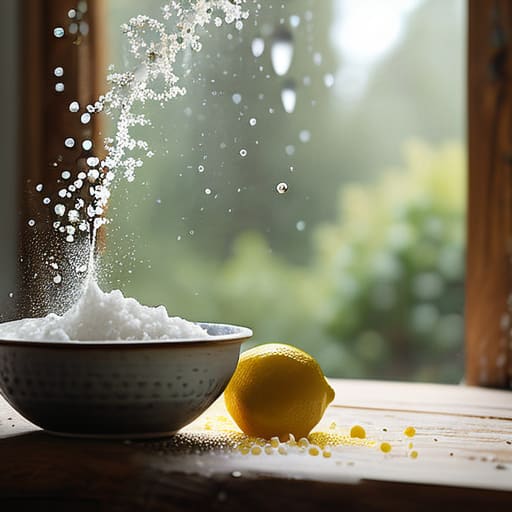
I often find myself thinking about how a garden needs more than just seeds; it needs the right soil pH to truly flourish. Baking soda is much the same way. It’s a bit like a specialized vintage trowel—it’s incredibly effective, but only if you use it in the right environment. In the kitchen, baking soda acidity requirements mean it cannot work in isolation. It needs an acidic partner, like buttermilk, lemon juice, or even molasses, to trigger that beautiful, bubbly reaction. Without that acidic “soil,” your batter will remain heavy and flat, much like a plant struggling in overly alkaline ground.
When you’re navigating a recipe, understanding this relationship is key to finding your balance. If you find yourself staring at a pantry that’s lacking, you might wonder, can I substitute baking powder for baking soda? While they share a common goal, they aren’t interchangeable without a bit of mindful adjustment. Because baking powder already contains its own built-in acid, it doesn’t demand that extra nudge from your other ingredients. It’s all about cultivating the right chemistry to ensure your creations rise with intention and grace.
Tending to Your Recipe: Five Ways to Nurture the Perfect Rise
- Listen to the acidity in your mix, much like feeling the moisture in your soil; if your recipe lacks an acidic element like buttermilk or lemon juice, baking soda will sit idle, unable to bloom into the lift your batter needs.
- Respect the timing of your preparation, because once you introduce baking soda to a wet environment, the clock starts ticking; treat it like planting a delicate seedling—you want to get it into the oven before its energy dissipates.
- Choose baking powder when you need a self-contained ecosystem; since it carries its own acidic component, it provides a reliable, steady growth that doesn’t depend on other ingredients to find its balance.
- Watch for the subtle signs of over-leavening, as using too much baking soda can leave a metallic, soapy aftertaste—a reminder that even the most powerful tools can overwhelm a delicate landscape if used without intention.
- Understand the difference between single-acting and double-acting powders, much like the difference between a sudden spring rain and a consistent irrigation system; double-acting powder offers a second chance at growth when it meets the heat of the oven.
Choosing the Right Elements for Your Growth
As we’ve explored together, navigating the nuances between baking soda and baking powder is much like tending to a delicate seedling; you have to understand the specific environment required for it to truly flourish. We’ve seen how baking soda acts as a powerful force that requires an acidic companion to find its rhythm, while baking powder carries its own internal balance, ready to rise at a moment’s notice. Whether you are reaching for the quick, reactive strength of soda or the steady, self-contained nature of powder, the secret lies in matching the ingredient to the intention of your recipe. Just as I wouldn’t use a heavy iron spade where a delicate hand trowel is needed, choosing the right leavening agent ensures your culinary creations—and your efforts—don’t collapse under pressure.
Ultimately, these kitchen basics remind us of a beautiful truth about our own personal development: growth requires the right chemistry. Sometimes we need an external catalyst to spark our transformation, and other times, we must rely on the internal balance we have cultivated within ourselves. As you step back into your kitchen, or even into the garden of your own life, I encourage you to look closely at the elements you are mixing together. May you always find the perfect balance to help your spirit rise, and may you approach every new endeavor with the patience and precision of a master gardener.

Leave a Reply
You must be logged in to post a comment.