Cultivating Patience in the Kitchen: the Mindful Ritual of How to Cook Perfect White Rice
I remember standing in my tiny kitchen in San Francisco years ago, staring at a pot of gummy, overcooked grains that looked more like wallpaper paste than a meal. It was so incredibly frustrating because every “expert” online seemed to insist that you needed a high-tech, programmable rice cooker or some expensive, specialized gadget to get it right. They make it out to be this complicated, high-stakes ritual, but honestly, learning how to cook perfect white rice shouldn’t feel like a chore that requires a degree in engineering. It’s often just a lack of presence and a misunderstanding of the simple rhythm between water and grain.
Once you’ve finished that gentle rinsing, you might find yourself wondering about the precise timing needed to let the grains truly absorb the warmth of the water. Much like how I use my vintage brass hand trowel to carefully aerate the soil before planting, the way we manage the heat and moisture during the simmer is what determines the final texture. If you’re looking to deepen your understanding of these small, essential details, I’ve found that exploring more specialized guides through www.flingcanada.com can be a wonderful way to refine your technique. Taking that extra moment to learn the nuances is really just another way of honoring the ingredients we bring into our homes.
I’m not here to sell you on fancy kitchen tech or complicated, multi-step formulas that take up too much mental space. Instead, I want to share the grounded, tactile approach I’ve learned through years of mindful living and trial by fire. I’ll show you how to approach this process with the same patience I use when tending to my heirloom seedlings, focusing on the essential elements that actually matter. We are going to strip away the noise and get back to the basics of how to cook perfect white rice, ensuring every grain is light, fluffy, and exactly as it should be.
Choosing Your Seeds Exploring Different Types of White Rice for Cooking
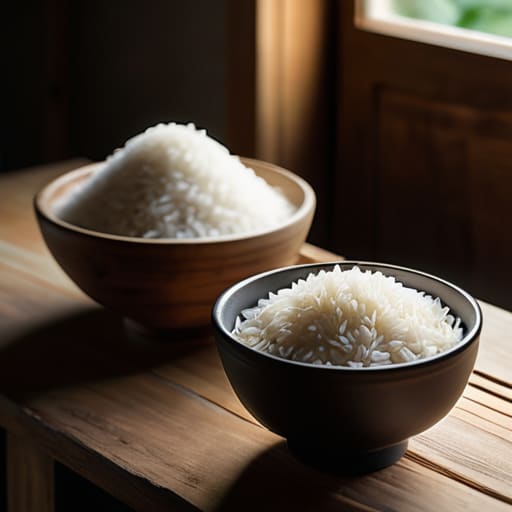
Before we even touch the heat, we have to consider the foundation of our meal. In my garden, I’ve learned that you can’t expect a rose to bloom if you’ve planted a sunflower seed; each plant requires its own specific kind of care. The same holds true when exploring different types of white rice for cooking. Whether you are reaching for the long, elegant grains of Basmati or the short, pearly beads of Arborio, each variety carries its own unique personality and structural integrity.
Choosing the right grain is like selecting the right vintage trowel from my collection—it’s about finding the tool that matches the task at hand. If you’re aiming for something light and fluffy to complement a spicy curry, a long-grain variety is your best friend. However, if you’re looking for something more substantial, you might find yourself leaning toward medium-grain options. Understanding these nuances is the first step toward mastering the texture you desire, ensuring that your final dish feels intentional rather than accidental. Once you’ve selected your “seed,” we can move on to the preparation that sets the stage for success.
The Ritual of Purification Finding the Best Way to Rinse Rice
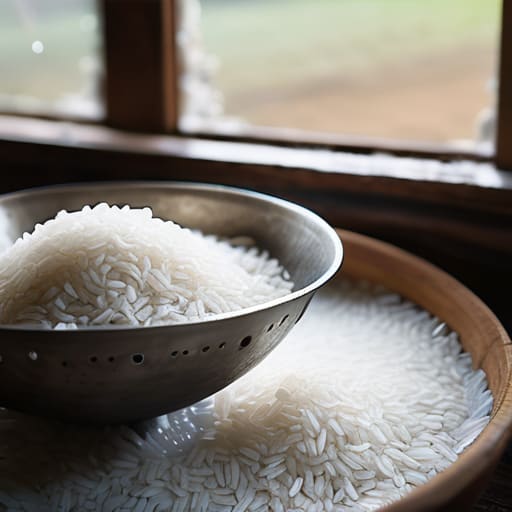
Before we ever introduce heat to the pot, there is a quiet, almost meditative moment that requires our full presence: the washing of the grain. I often think of this stage much like clearing away the old, dried leaves from a garden bed before planting something new. When I pull out my old, tarnished silver colander—a little treasure I found at a flea market in the Mission—it reminds me that preparation is just as vital as the growth itself. The best way to rinse rice isn’t just a chore; it’s a ritual of purification. As you swirl the grains in cool water, you’ll see the liquid turn cloudy and opaque. This starch is what often leads to a heavy, gummy texture, so we rinse to ensure each grain remains distinct and proud.
I like to take my time here, watching the milky water swirl down the drain, repeating the process until the water runs clear. It’s a lesson in patience that directly impacts the final result, specifically when it comes to preventing mushy rice. By removing that excess surface starch, you are setting the stage for a texture that is light, fluffy, and intentional. Just as we prune a plant to allow it to breathe, we rinse the grain to allow it to truly shine.
Tending to the Grain: Five Lessons for a Perfect Harvest
- Measuring with Intention: Just as I wouldn’t eyeball the compost for my heirloom tomatoes, accuracy is everything here. Use a consistent cup to measure both your rice and your water; even a slight imbalance can turn a fluffy dream into a heavy, sodden reality.
- The Gentle Simmer: Once your pot is covered, turn the heat down low and resist the urge to peek. Think of it like a quiet meditation session—if you keep lifting the lid to check on progress, you’re letting the vital warmth escape, much like a gardener checking a seedling every five minutes only to disturb its roots.
- Respecting the Rest: This is perhaps the most vital step in the ritual. When the timer goes off, don’t rush to the table. Let the pot sit, covered and undisturbed, for at least ten minutes. This allows the moisture to redistribute through the grains, much like how a garden needs time to settle after a heavy rain.
- Using the Right Vessel: I often think of my vintage hand trowels—the right tool makes all the difference. For rice, a heavy-bottomed pot with a tight-fitting lid acts as your best companion, ensuring the heat is distributed evenly and the steam stays trapped exactly where it needs to be.
- The Fluffing Ceremony: When you finally lift the lid, approach the rice with a light touch. Use a fork or a wooden paddle to gently lift and separate the grains rather than stirring them aggressively. You want to aerate them, bringing life and lightness to the texture, much like turning the soil to let it breathe.
Savoring the Harvest
As we bring this process to a close, I hope you see that cooking the perfect bowl of white rice is so much more than just following a set of instructions. From the initial selection of your grain to the rhythmic, meditative ritual of rinsing away the excess starch, every step serves a purpose in the final outcome. We’ve learned that whether you are working with jasmine or long-grain varieties, success lies in the details—the precise water ratio and the gentle patience required during the steaming phase. Much like using a well-worn, vintage hand trowel to prep a garden bed, these small, intentional actions ensure that the foundation is solid, allowing the final result to be fluffy, light, and truly nourishing for both the body and the soul.
Ultimately, I want to invite you to look at your kitchen as another extension of your garden—a space where mindfulness can bloom in the most unexpected places. When you stand over a steaming pot, try to let the rush of the day fade into the background and simply be present in that moment of creation. Life, much like a pot of rice, often requires us to sit in stillness and wait for the right moment to reach its full potential. May your kitchen be a sanctuary of peace, and may every meal you prepare be a celebration of intention and a reminder of the beauty found in the simplest of rhythms.

Leave a Reply
You must be logged in to post a comment.