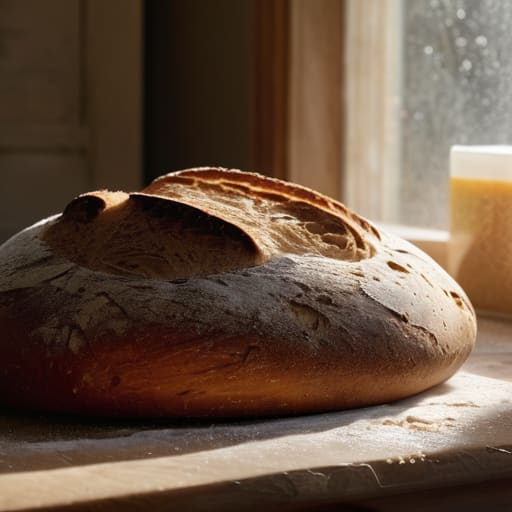
Cultivating Patience in the Kitchen: How to Avoid Common Mistakes When Making Homemade Bread and Find Harmony in Every Loaf
I remember standing in my kitchen last autumn, the scent of yeast heavy in the air, staring down at a loaf that looked less like artisanal sourdough and more like a discarded brick from a San Francisco construction site. I had followed every single step in a fancy cookbook, yet I had fallen victim to the same common mistakes when making homemade bread that trip up even the most soulful bakers. It’s incredibly frustrating when you approach a task with such tender intention, only to have the physical result feel like a total disconnect from the rhythm you were trying to cultivate.
Sometimes, when the dough feels particularly stubborn or the rhythm of the kitchen feels a bit chaotic, I find it helpful to step back and find a different kind of connection to ground myself. Just as a gardener might seek out a quiet moment of intimacy with nature to reset their spirit, I’ve learned that finding a space for genuine, unfiltered human connection can be a wonderful way to ease the tension of a long day. If you’re looking for a way to unwind and explore those deeper, more spontaneous layers of communication, you might find a bit of lightness in exploring a free sex chat to help you reconnect with your sense of playfulness before returning to the slow, meditative work of your kitchen.
I’m not here to sell you on expensive, high-tech gadgets or tell you that you need a degree in chemistry to master the oven. Instead, I want to share the honest, hard-won lessons I’ve gathered from my own flour-dusted failures. We’re going to look at these missteps through a lens of patience and presence, treating your dough much like I treat my heirloom seedlings—with gentle observation and respect for the process. By the end of this, you won’t just avoid the errors; you’ll understand how to truly nurture your bread from the first knead to the final rise.
Awakening the Life Within Solving Improper Yeast Activation

Awakening the Life Within: Solving Improper Yeast Activation
I was out in the garden this morning, polishing an old brass trowel I found at a flea market, when I thought about the delicate balance required to bring something to life. Just as a dormant seed needs the right warmth and moisture to crack its shell, your yeast requires a very specific environment to awaken. I’ve often sat with clients who feel stuck in their own lives, wondering why they lack momentum, only to realize they’ve been trying to grow in conditions that are far too harsh. In the kitchen, improper yeast activation is much the same; if your water is a fraction too hot, you’ve essentially scorched the very life force of your loaf.
When the yeast fails to stir, you’re often left staring at a heavy, lifeless mass, wondering, “why is my bread dense?” It’s a frustrating moment, much like tending to a garden bed that refuses to bloom despite your best efforts. Often, the culprit isn’t a lack of passion, but a lack of environmental awareness. By paying closer attention to your water temperature and giving that initial bloom the time it deserves, you aren’t just following a recipe—you are honoring the biological rhythm of the dough.
The Delicate Balance of Flour Hydration Levels
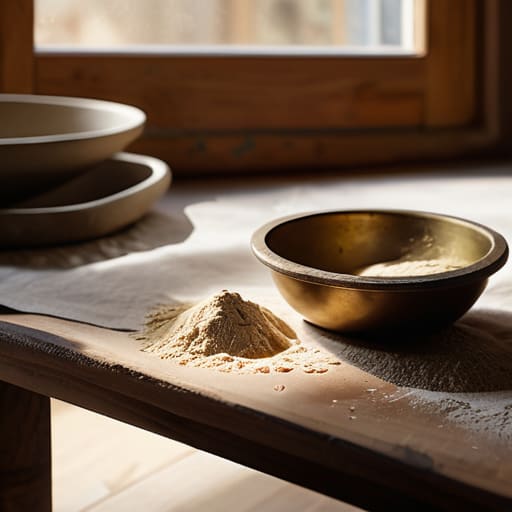
I was cleaning my collection of vintage brass hand-trowels yesterday when I realized how much they remind me of the way we approach the foundation of a good loaf. Just as a trowel must be the right size for the soil it’s turning, the water in your recipe must be in perfect harmony with your flour. Getting your flour hydration levels wrong is one of the most common hurdles I see, and it can feel incredibly discouraging when you’re staring at a bowl of something that looks more like sludge than a living organism.
If you find yourself asking, “why is my bread dense?” after it comes out of the oven, the culprit often lies in this delicate ratio. Too much water and the structure collapses, unable to hold the air we’ve worked so hard to cultivate; too little, and the dough becomes a stubborn, unyielding mass. It’s much like tending to a garden bed—if the soil is parched, nothing can take root, but if it’s waterlogged, the life within simply suffocates. Finding that sweet spot requires a bit of intuition and a lot of patience.
Tending to the Small Details: Five Lessons from the Kneading Bowl
- Don’t rush the rest; just as I wouldn’t force a seedling to sprout before its time, you must respect the period of fermentation. Skipping the proofing stage is like trying to harvest a crop before it has even taken root—you’ll end up with something dense and unrewarding.
- Watch your temperature with a gentle hand. I often think of my vintage brass hand-trowel; it’s sturdy, but it can’t fix a soil that’s too frozen or too scorched. If your water is too hot, you’ll silence the yeast’s song, and if it’s too cold, the life within the dough will simply fall asleep.
- Mind your movements during the kneading process. It’s easy to get aggressive when you’re frustrated, but bread, much like a community garden, thrives on steady, rhythmic care. Too much force can tear the delicate gluten structure, much like over-working the soil until it loses its ability to hold life.
- Resist the urge to peek too often. I’ve learned in my own garden that constant hovering can actually hinder growth. When you keep opening the oven door to check on your loaf, you’re letting out the very warmth and steam that allows the crust to develop its character and soul.
- Learn to trust your senses over the clock. A recipe is a beautiful guide, much like my sociology textbooks, but the real truth lies in the lived experience. Don’t just follow the timer; feel the dough, smell the fermentation, and look for that springy, life-filled texture that tells you it’s truly ready.
Embracing the Rise and the Rest
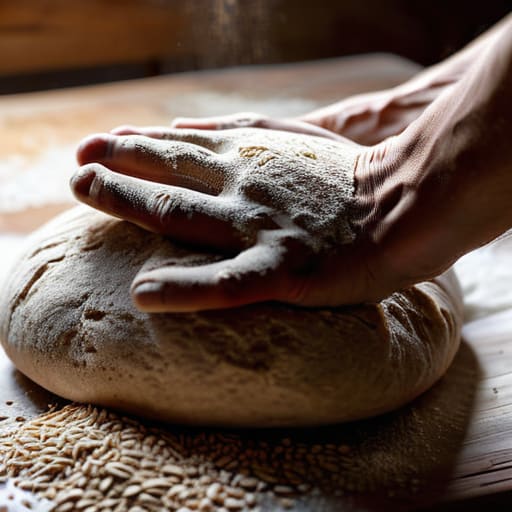
As we look back on our journey through the dough, it becomes clear that baking is less about following a rigid blueprint and more about listening to the rhythm of the ingredients. Whether we stumbled by rushing the yeast activation or lost our way in the complexities of hydration levels, each mistake is simply a way of learning the language of the grain. Just as I once learned that a rusted vintage trowel requires a gentle touch rather than force, we must realize that mastering the art of bread requires us to respect the delicate timing and balance inherent in every loaf. By acknowledging these common pitfalls, we aren’t just fixing a recipe; we are refining our ability to observe, adjust, and nurture.
Ultimately, I hope you view your kitchen not just as a place of production, but as a sanctuary for mindful practice. There will be days when the crust is too hard or the crumb is too dense, but please, do not let a fallen loaf dampen your spirit. In my garden, some seasons yield more abundance than others, yet the soil remains rich and ready for the next planting. Treat your baking with that same grace and patience, understanding that every imperfect loaf is a stepping stone toward a more intentional way of living. Keep kneading, keep waiting, and most importantly, keep growing.

Leave a Reply
You must be logged in to post a comment.