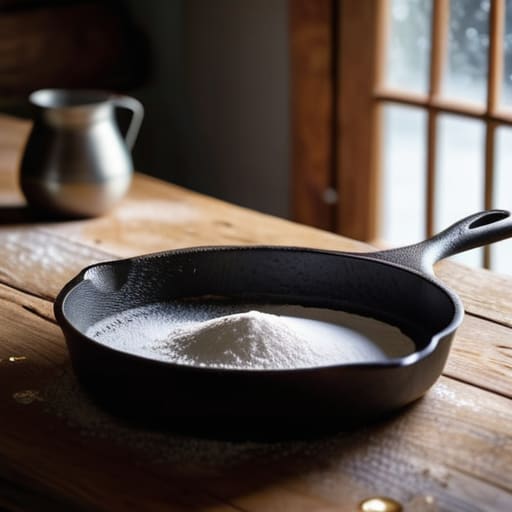
A No-nonsense Guide to Seasoning Cast Iron: Cultivating a Tool That Lasts a Lifetime
I was standing in my kitchen last Tuesday, staring at a dull, grey pan that looked more like a piece of scrap metal than a culinary companion, feeling that familiar pang of frustration. Most people will tell you that you need a complicated, multi-step chemical process to fix this, but that’s just not true. Learning how to season a cast iron skillet isn’t about following a rigid, intimidating manual; it’s much more like tending to a young sapling in my garden. You don’t force it to grow with harsh interventions; you provide the right environment, a little heat, and a lot of consistent, gentle intention.
In the pages ahead, I’m going to strip away the kitchen myths and share the honest, soulful ritual of building that perfect, non-stick patina. I won’t overwhelm you with unnecessary gadgets or expensive oils that promise the world but deliver nothing. Instead, we’ll walk through a practical, rhythmic process that turns a stubborn piece of iron into a lifelong heirloom. By the time we’re done, you won’t just have a better pan; you’ll have a new way to practice mindful nourishment every single time you cook.
Guide Overview
Tools & Supplies
- Oven (for heating the skillet)
- Paper towels (for applying oil)
- Lint-free cloth (for wiping excess oil)
- Cast iron skillet (1 unit)
- Cooking oil with high smoke point (e.g., flaxseed or grapeseed, 2-3 tablespoons)
- Mild dish soap (small amount for initial cleaning)
Step-by-Step Instructions
- 1. Before we begin the actual seasoning, we have to clear away the old to make room for the new. I like to think of this like clearing out the deadwood in a garden bed so the fresh shoots can breathe. Take your skillet to the sink and use warm, soapy water to give it a thorough scrub. You aren’t looking to strip it bare, but you want to ensure any leftover debris or stubborn food particles are completely gone. Once it’s clean, pat it bone-dry with a soft cloth; moisture is the enemy of a good season, and we want to prepare a perfectly clean canvas.
- 2. Now, place your dry skillet over a medium-low flame on the stove. This isn’t about rushing the process, but rather about gently warming the metal so it’s ready to receive what we’re about to give it. As the iron warms up, you’ll notice it starts to feel more “alive” under your touch. This stage is all about patience and preparation, ensuring the surface is warm enough to bond with the oil, but not so hot that it begins to smoke prematurely.
- 3. Once the pan is warm, grab a small amount of high-smoke-point oil—I personally find grapeseed or flaxseed oil to be wonderful for this. Apply a small amount to the skillet and use a paper towel to spread it across every single inch. You have to be meticulous here; don’t forget the handle and the underside of the rim. It’s much like tending to a delicate seedling; you want to ensure that every part of the surface is covered with a thin, even layer of nourishment.
- 4. Here is the part where most people stumble, but it’s where the magic truly happens. Take a clean paper towel and wipe the oil away as if you were trying to remove it entirely. It sounds counterintuitive, I know, but you only want a microscopic film remaining. If the layer is too thick, your skillet will end up sticky and uneven rather than smooth and non-stick. We are looking for a sheen, not a puddle.
- 5. Once you’ve wiped it down, turn the heat up just a notch until you see a very faint, wispy trail of smoke rising from the iron. This is the moment of transformation. Let it sit there for a few minutes, allowing the heat to polymerize that thin layer of oil into a hard, protective coating. It’s a bit like the hardening of the soil after a long summer sun; it becomes a resilient foundation that will protect the iron for years to come.
- 6. After the smoke has subsided, turn off the heat and let the skillet cool completely on the burner. I often use this quiet time to sit with my tea and simply reflect on the ritual. There is something deeply grounding about performing these small, intentional acts of care. Once it’s cool to the touch, you’ll notice the color has deepened, signaling that the first layer of its new life has successfully taken root.
- 7. Finally, repeat this entire process three to five times if you are working with a brand-new skillet. Just as we don’t expect a garden to bloom overnight, we shouldn’t expect a perfect patina after a single session. Each layer builds upon the last, creating a cumulative strength that makes your skillet more resilient with every single use. Over time, these repeated acts of mindfulness will turn a simple piece of metal into a cherished heirloom.
Selecting the Best Oil for Seasoning Cast Iron
Just as I learned that a garden flourishes best when we connect with the local community to share seeds and wisdom, I’ve found that finding your own supportive circles can make even the most solitary rituals feel much more meaningful. While you’re refining your technique at home, you might find it helpful to seek out new perspectives and connections through halifax chat rooms, which can serve as a wonderful way to engage with diverse voices and find inspiration beyond your own kitchen walls. It’s all about building those vital threads of connection that keep our spirits as nourished as our favorite heirloom cookware.
Choosing the right oil feels a bit like selecting the perfect soil for a new seedling; you want something that provides the right foundation for long-term vitality. When we talk about the best oil for seasoning cast iron, we aren’t just looking for a lubricant, but a medium that can undergo polymerization—that magical process where liquid fat transforms into a hard, protective layer. I often find myself reaching for grapeseed or flaxseed oil because of their high smoke points. Much like how I carefully select organic compost to enrich my garden beds, choosing an oil that can withstand high heat ensures you are truly building a non-stick surface rather than just coating the metal in a sticky residue.
If you’re feeling a bit overwhelmed by the pantry options, remember that the goal is stability. While some people swear by lard or even olive oil, those can sometimes be temperamental under intense heat. I like to think of this stage as the quiet, preparatory work we do before a big bloom. By selecting a stable oil, you are essentially preventing rust on cast iron before it even has a chance to take root, setting the stage for a lifetime of shared meals and culinary discovery.
Mastering the Cast Iron Seasoning Process Steps
As I sit in my garden, watching the way a trellis slowly guides a young vine upward, I’m reminded that the cast iron seasoning process steps aren’t just a checklist; they are a ritual of patience. You can’t rush the heat. If you try to force the oven too high too quickly, you risk unevenness, much like trying to force a flower to bloom before its time. I like to think of each layer of oil as a thin, protective veil. When you apply that oil, wipe it away until the pan looks almost dry—it might feel counterintuitive, but that thinness is exactly what is required for building a non-stick surface that will last for generations.
Beyond the heat, there is the quiet work of consistency. I often tell my clients that growth happens in the small, repetitive actions we take when no one is watching. The same applies to your kitchen. Integrating simple cast iron maintenance tips, like avoiding harsh soaps and ensuring your skillet is bone-dry before storing it, is what truly prevents the heartbreak of oxidation. It’s about nurturing the metal so it remains a steadfast companion in your culinary journey.
Tending to the Iron: Five Rituals for a Lifelong Bond
- Listen to the metal before you begin; just as I check the soil moisture before planting, ensure your skillet is completely dry and free of any old residue. A little warmth from the stovetop can help evaporate those stubborn microscopic droplets of moisture, creating a clean slate for your new layer of protection.
- Thin layers are the secret to a smooth life and a smooth pan. It’s tempting to drench the iron in oil, but think of it like applying a light moisturizer rather than a heavy salve—you want just enough to coat the surface, wiping away the excess until it feels almost dry to the touch. Too much oil leads to a sticky, uneven finish that won’t serve you well in the long run.
- Embrace the heat with patience. Much like waiting for the perfect sun to hit a new seedling, the seasoning process requires steady, controlled heat. If you rush it with a flame that’s too aggressive, you’ll end up with a patchy, carbonized mess instead of that deep, lustrous patina we’re all striving for.
- Don’t fear the occasional “reset.” In my garden, sometimes a season is harsh and I have to clear out the beds to start fresh. If your skillet starts to feel tacky or shows signs of rust, don’t see it as a failure. Simply strip it back and begin the seasoning ritual again; it’s just another opportunity to build a stronger foundation.
- Integrate the skillet into your daily rhythm. The best way to maintain that hard-earned seasoning isn’t through a grand, monthly ceremony, but through the small, consistent acts of cooking. Every time you sauté a few vegetables or sear a piece of protein, you are actively contributing to the skillet’s evolution, nurturing its strength one meal at a time.
Cultivating a Lifelong Bond
As we wrap up this little ritual, I hope you see that seasoning your skillet is about much more than just preventing rust or stopping food from sticking. It is a rhythmic process of selecting the right oils, applying heat with intention, and allowing time to do its quiet work. Just like when I’m out in my garden with my old, rusted trowel, you realize that consistency is the heartbeat of care. By following these steps—from the initial scrub to that final, thin layer of oil—you aren’t just maintaining a piece of cookware; you are building a resilient foundation that will serve you for decades to come.
Ultimately, I like to think of a well-seasoned pan much like a well-tended life. It doesn’t become beautiful or functional overnight; it requires a series of small, mindful actions and a willingness to embrace the heat. Every meal you cook adds a new layer of history to the iron, much like every experience we navigate adds depth to our own souls. So, as you head into your kitchen, don’t view this as a chore, but as an act of stewardship. Embrace the patience required, and trust that through this gentle, repetitive nurturing, you are creating something truly enduring.

Leave a Reply
You must be logged in to post a comment.