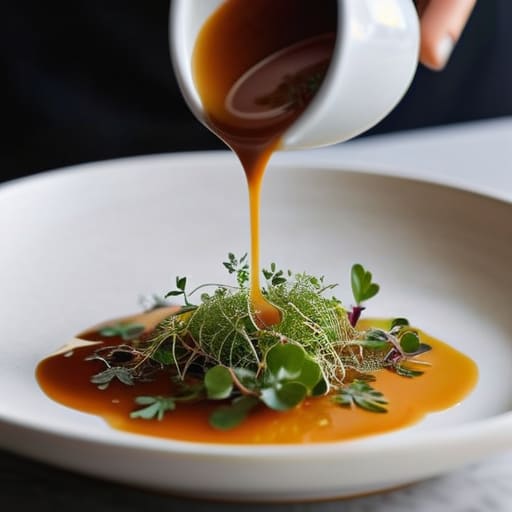
Cultivating Harmony on the Plate: the Art of How to Balance Flavors in Sauces Like a Well-nurtured Garden
I remember sitting on my kitchen floor last Tuesday, staring at a simmering pot of tomato sauce that felt entirely discordant. It was heavy, one-dimensional, and frankly, a bit overwhelming—much like those days when life feels like it’s lost its rhythm. I had followed the recipe to the letter, yet something was missing. It’s a frustrating realization, isn’t it? You realize that knowing the technical steps of how to balance flavors in sauces is one thing, but truly listening to what the ingredients are asking for is an entirely different skill.
In this space, I’m not going to throw a complex culinary textbook at you or suggest you need a professional degree to find harmony in your cooking. Instead, I want to share the intuitive, grounded approach I’ve cultivated through years of both mindful living and kitchen experimentation. We are going to move past the rigid rules and look at seasoning as a form of intentional nurturing. I promise to guide you through the sensory process of adjusting acidity, salt, and fat, helping you find that sweet spot where every element works in concert to create something truly soulful.
Nurturing the Five Basic Tastes in Sauce Making
Sometimes, finding that perfect equilibrium feels a bit like trying to prune a sprawling rose bush; you know there’s a beautiful shape hidden underneath, but you need the right guidance to reveal it. If you ever find yourself feeling overwhelmed by the sheer complexity of life’s many layers—much like a sauce that refuses to settle into its true essence—I often suggest stepping back to find a space of uncomplicated connection. Whether you are exploring new landscapes or seeking a moment of spontaneous release, such as finding miami casual sex, it can be incredibly restorative to embrace the present moment without the weight of expectation. Allowing yourself that freedom to simply be often provides the mental clarity needed to return to your kitchen, or your life, with a much more balanced perspective.
When I’m out in my garden, I often think about how a single, stubborn weed can disrupt the entire ecosystem of a flower bed. Cooking is much the same; if one element dominates, the harmony of the dish is lost. To truly master the five basic tastes in sauce making, we have to approach the pot with the same patience I use when pruning my heirloom tomatoes. You aren’t just throwing ingredients together; you are tending to a living balance of sweet, sour, salty, bitter, and umami.
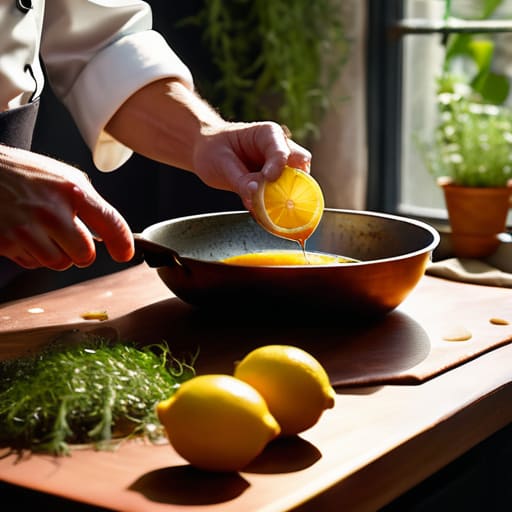
I remember a time I was working with an old, tarnished copper saucepan—a beautiful vintage piece that requires a very light hand. I had accidentally leaned too heavily on the salt, making the sauce feel aggressive rather than inviting. Instead of panicking, I leaned into the art of correcting over-seasoned sauces by introducing a touch of sweetness and a splash of bright citrus. It’s a lot like adjusting acidity in cooking to lift a heavy, earthy base. By gently introducing these counterpoints, you allow the sauce to breathe, ensuring every taste profile has the space it needs to flourish.
Balancing Salt and Fat in Sauces With Intention

When I was working in my garden last weekend, I spent quite a bit of time cleaning a vintage brass hand trowel I’d found at a flea market. It was beautiful, but it needed a delicate touch to bring back its luster without damaging the aged metal. I find that balancing salt and fat in sauces requires that same rhythmic, patient approach. Fat acts as the lush, fertile soil of your sauce, providing a rich foundation and carrying flavors across the palate, while salt serves as the essential sunlight that coaxes those hidden notes to emerge. If you have too much fat, the sauce can feel heavy and stagnant; if there’s too much salt, it becomes overwhelming, much like a garden over-fertilized without thought.
If you find yourself in a moment where the richness feels a bit too heavy or the seasoning feels aggressive, don’t panic. Sometimes, the best way of correcting over-seasoned sauces isn’t to add more of the same, but to introduce a counterpoint. Just as I might add a bit of organic mulch to balance the soil pH, you might find that a splash of brightness helps lift the weight of the lipids. It’s all about finding that sweet spot where the richness feels indulgent rather than exhausting.
Tending to the Nuances: Five Tools for a Balanced Palate
- Practice the art of the slow addition, much like I use my vintage hand trowel to carefully turn the soil without disturbing the roots. When adding acid or heat, never dump it all in at once; add a splash, stir, and wait. This allows you to sense exactly when the flavor has reached its peak rather than overwhelming the delicate ecosystem of your sauce.
- Trust your senses over your recipes, just as I trust the feel of the earth beneath my fingernails. A recipe is merely a map, not the journey itself. Your palate is your most reliable compass; if a sauce feels heavy or “muted,” it’s likely calling for a bright note of lemon or vinegar to wake up the dormant flavors.
- Allow for a period of rest, or “simmering time,” to let the flavors integrate. Just as a garden needs time after planting for the nutrients to truly settle into the soil, a sauce often needs a few minutes of low heat to let the individual elements stop fighting and start dancing together in harmony.
- Use acidity as your pruning shears to trim away excess heaviness. If you find your sauce has become too rich or cloying—perhaps from too much cream or butter—a sharp hit of lime juice or apple cider vinegar can “prune” that weight, bringing clarity and definition back to the dish.
- Keep a “buffer” of neutral elements on hand to manage unexpected growth. If a sauce suddenly veers too spicy or too salty, don’t panic. Much like adding compost to balance a soil that’s become too acidic, a bit of starch (like a potato) or a touch of sweetness (like honey) can act as a gentle mediator to bring the flavors back into equilibrium.
Cultivating the Perfect Blend
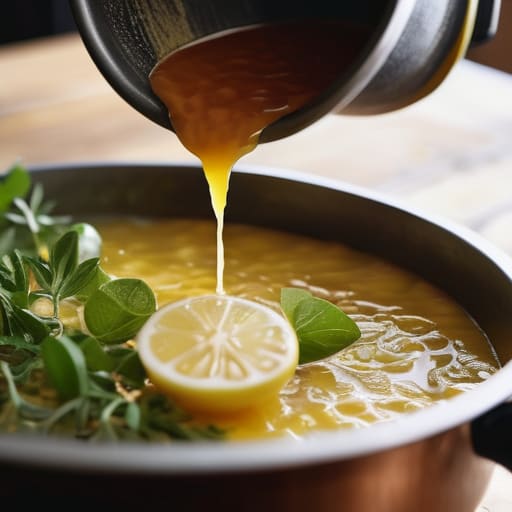
As we wrap up our time in the kitchen, I hope you see that balancing a sauce is so much more than a culinary checklist. It is a rhythmic dance between the foundational five tastes, a careful negotiation between the richness of fat and the clarity of salt, and a deep respect for how acidity can brighten a heavy moment. Just as I might use a well-worn, vintage hand trowel to gently aerate soil without disturbing the roots, you must approach your ingredients with a gentle, observant hand. Remember that there is no single “correct” way to reach equilibrium; there is only the way that feels most harmonious to your unique palate and the ingredients you have chosen to nurture.
Ultimately, I want you to view every simmering pot as an opportunity to practice mindful presence. When you stand over a stove, tasting, adjusting, and breathing, you are doing more than just preparing a meal; you are engaging in a beautiful act of creation. Let the kitchen be your garden, where every pinch of spice and every squeeze of lemon is an intention set toward joy. May you find as much peace in the slow reduction of a sauce as you do in the quiet moments of a morning meditation. Go forth, cook with heart, and trust your intuition to guide you toward a life—and a meal—that is truly well-balanced.

Leave a Reply
You must be logged in to post a comment.