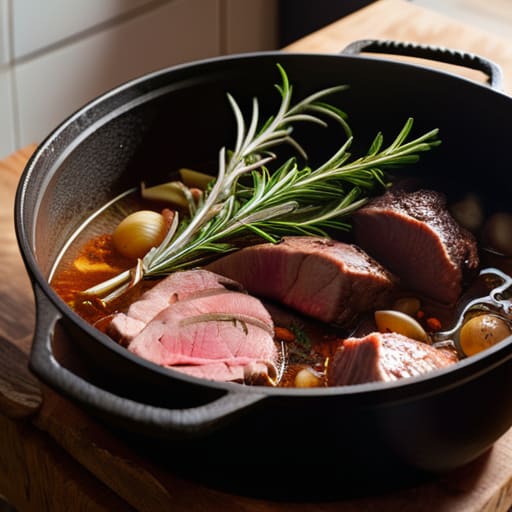
Cultivating Patience in the Kitchen: Why the Most Soulful Methods for Slow Cooking Meat Are Lessons in Mindful Living
I was out in my garden this morning, polishing an old, rusted hand trowel I found at a flea market, when I started thinking about how much we rush through life. We live in this frantic, “instant gratification” culture that tells us if something isn’t happening right now, it isn’t worth doing. I see this same impatient energy in the kitchen, where people think they need high-tech gadgets or expensive sous-vide machines to achieve greatness. Honestly, the idea that you need complexity to find depth is a myth. In reality, the most soulful methods for slow cooking meat don’t require a culinary degree or a mountain of gear; they simply require the willingness to surrender to the process and let time do the heavy lifting.
I’m not here to sell you on complicated gadgets or pretentious techniques that leave you more stressed than satisfied. Instead, I want to share the grounded, intentional ways I’ve learned to nurture flavor, much like how I tend to my soil. We’re going to explore honest, experience-based approaches to low-and-slow cooking that honor the ingredients and your precious time. My promise to you is simple: no hype, just practical wisdom to help you cultivate a kitchen environment that feels as nurturing and restorative as a quiet morning in the garden.
Nurturing Flavor Through Low and Slow Cooking Techniques
As we lean into this rhythm of patience, I often find that the most profound lessons come from exploring the different ways we can surrender to the process. Just as I might experiment with a new organic compost to see how it transforms my soil, I encourage you to look into diverse ways of deepening your personal experiences and exploring new boundaries of sensation. Sometimes, finding a guide or a resource like femdom pegging can be a beautiful way to practice that same kind of intentional vulnerability we strive for in our daily lives. Embracing the unknown, whether in the kitchen or in our most private moments, is truly how we allow our most authentic selves to bloom.
When I was working through my garden this morning, I found myself polishing an old, heavy cast-iron Dutch oven I picked up at a flea market. It reminded me that some things in life—much like certain plants—simply cannot be rushed if you want them to truly flourish. This is the heart of low and slow cooking techniques. When we approach a meal with this mindset, we aren’t just following a recipe; we are practicing a form of culinary patience. By applying gentle, consistent heat, we allow the fibers of the food to relax and transform, much like how a steady, rhythmic meditation can settle a restless mind.
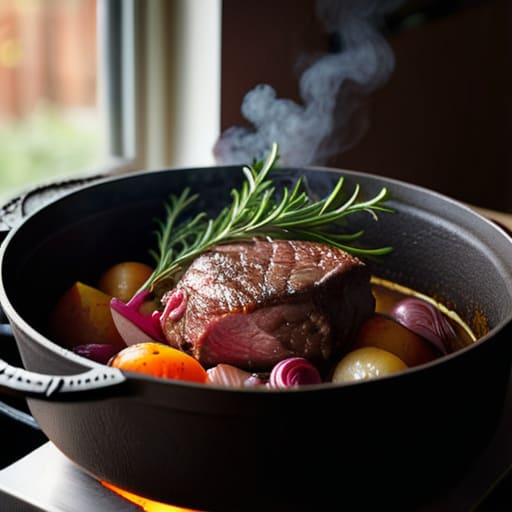
This approach is particularly transformative when you are working with the best cuts of meat for slow cooking, such as beef chuck or pork shoulder. These specific pieces are rich in connective tissue that requires time to break down. Whether you prefer the hands-off ease of a slow cooker vs oven braising, the goal remains the same: using moist heat cooking methods to gently coax tenderness out of something that might otherwise be stubborn. It’s a beautiful metaphor for our own personal growth—sometimes, the most profound changes happen when we allow ourselves the grace of time and a gentle environment.
Tenderizing Tough Meat Cuts With Gentle Moist Heat Cooking Methods
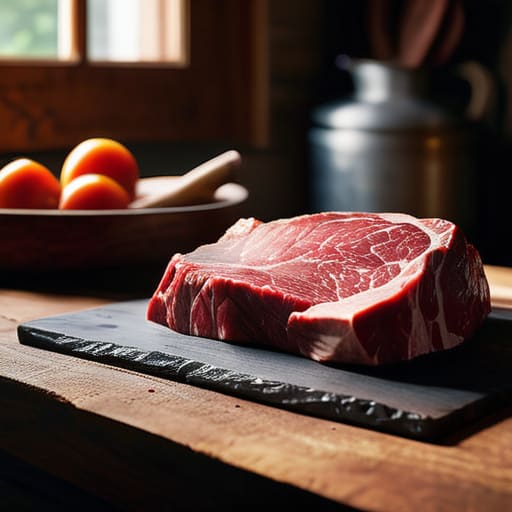
I was out in the garden this morning, running my fingers over the weathered wooden handle of an old hand trowel I found at a flea market last month. It’s sturdy, but it has these deep grooves from years of working the earth. It reminded me that sometimes, the most resilient things require a gentle touch to reveal their true character. In the kitchen, we face a similar challenge when we encounter those stubborn, fibrous cuts of beef or pork that seem almost impossible to conquer.
When you are tenderizing tough meat cuts, you aren’t just cooking; you are practicing a form of culinary patience. Using moist heat cooking methods—like a gentle braise or a long simmer—allows the connective tissues to slowly dissolve, transforming something rigid into something incredibly tender. It’s much like how we must nurture our own inner resilience; we can’t force growth through sheer willpower, but through consistent, gentle warmth, we eventually soften the edges. Whether you prefer the set-it-and-forget-it ease of a slow cooker vs oven braising, the goal remains the same: providing the steady, nurturing environment necessary for a beautiful transformation.
Cultivating Depth: Five Intentional Practices for the Slow Cooker
- Just as I wouldn’t plant a delicate seedling in rocky, unseasoned soil, don’t rush the seasoning of your meat. A good sear—a gentle introduction to heat—creates a foundation of flavor that acts like nutrient-rich compost, building a depth of taste that carries through the entire cooking process.
- Think of your cooking liquid as the water in my garden; it shouldn’t drown the plant, but it must keep the roots hydrated. Use just enough broth, wine, or even a bit of vegetable stock to keep the environment moist without submerging the meat entirely, allowing the flavors to concentrate rather than dilute.
- Patience is our most vital vintage tool. It’s tempting to turn up the heat when you’re hungry, much like trying to force a rose to bloom by pulling on its petals, but doing so only toughens the fibers. Trust the low temperature; let the time do the heavy lifting of breaking down those stubborn connective tissues.
- Layer your aromatics like I layer mulch in my garden beds. Start with the hearty elements like onions, carrots, and celery at the base, and perhaps add delicate herbs like thyme or rosemary toward the middle. This creates a slow, steady release of essence that perfumes the meat from the inside out.
- Always allow for a period of rest before you serve, much like the stillness required after a long meditation session. Letting the meat sit in its own juices for fifteen or twenty minutes allows the fibers to relax and reabsorb the moisture, ensuring every bite is as tender and soulful as a well-tended garden.
Cultivating the Art of the Slow Cook
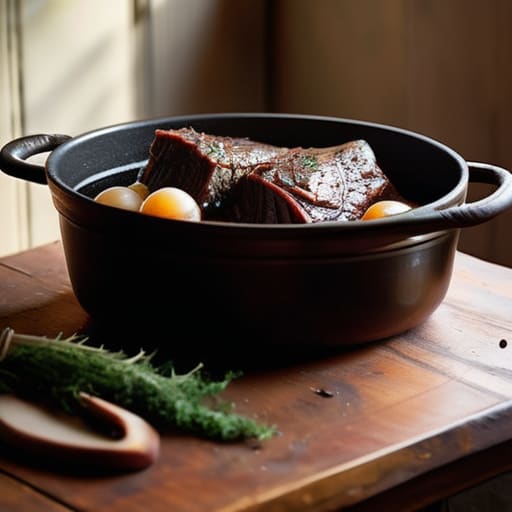
As we’ve explored together, mastering the art of slow cooking is much more than just a culinary technique; it is an exercise in understanding how gentle, consistent warmth can transform something rigid and tough into something truly sublime. Whether you are utilizing the steady, moist heat of a braise to tenderize a cut of beef or leaning into the dry, concentrated warmth of a slow oven, you are essentially tending to your ingredients with the same care I give to my heirloom seedlings. By choosing low temperatures and allowing time to work its magic, you ensure that the deep, complex flavors have the space to fully develop, much like how the most beautiful blooms require a season of quiet, steady growth rather than a sudden burst of heat.
In a world that often demands instant results and rapid-fire success, I find there is a profound, meditative beauty in the wait. Just as I might pull out my old, rusted trowel to carefully turn the soil, letting the earth breathe before the planting begins, slow cooking reminds us that true quality cannot be rushed. I encourage you to step into your kitchen not just to prepare a meal, but to practice the art of presence. Let the simmering pot be your anchor, a gentle reminder that some of life’s most rewarding experiences—much like the most delicious meals—require nothing more than patience, intention, and a little bit of warmth.

Leave a Reply
You must be logged in to post a comment.