Cultivating Texture and Intention: the Artful Ways to Improve Homemade Pasta Dough for a More Mindful Kitchen
I remember sitting on my kitchen floor last autumn, flour dusting my knuckles like fallen blossoms, staring at a ball of dough that felt more like a stubborn piece of clay than a delicate culinary foundation. I had followed every high-tech, gadget-heavy tutorial online, yet my results were consistently heavy and lifeless. It’s frustrating, isn’t it? We often get caught up in the idea that we need expensive Italian marble rollers or specialized laboratory-grade flour to achieve excellence, but I’ve learned that the best ways to improve homemade pasta dough have very little to do with your budget and everything to do with your connection to the process.
In this space, we aren’t going to chase expensive gimmicks or overcomplicated culinary myths. Instead, I want to share the grounded, intentional techniques I’ve gathered from years of trial, error, and mindful practice. I’ll guide you through the subtle art of hydration, the importance of rest, and how to listen to the texture beneath your palms. My promise to you is a collection of honest, experience-based insights designed to help you cultivate a dough that is as resilient and soulful as a well-tended garden.
Choosing Your Soil Flour Types for Pasta Making
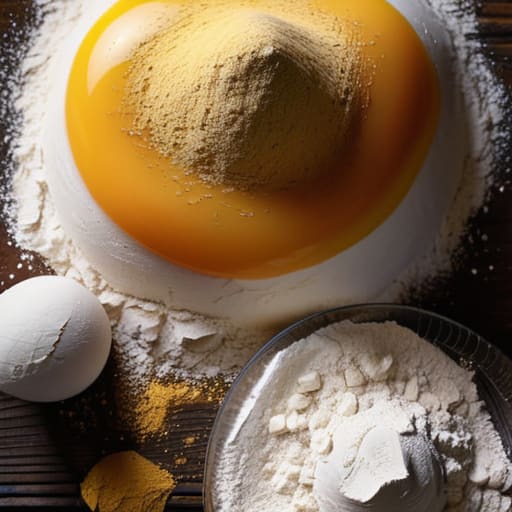
Before you even pick up a rolling pin, you have to consider the foundation of your creation. In my garden, I’ve learned that you can’t expect a vibrant bloom if the soil lacks the right nutrients; the same logic applies to your kitchen. When exploring different flour types for pasta making, I often find myself reflecting on the choice between semolina vs all purpose flour. Semolina, with its coarser, golden granules, offers a structural integrity that feels much like a sturdy trellis supporting a climbing vine. It provides that essential bite and strength that keeps your noodles from collapsing under their own weight.
If you’re looking for something a bit more delicate—perhaps a soft, silken texture—a blend incorporating finer proteins might be your way forward. I like to think of selecting your flour as setting the intention for your entire process. Using a high-quality, protein-rich flour isn’t just about chemistry; it’s about improving pasta dough elasticity from the very first handful. Just as I wouldn’t plant a delicate fern in sandy, nutrient-depleted earth, choosing the right grain ensures your dough has the resilience to thrive through the kneading and rolling ahead.
The Golden Balance Finding the Perfect Egg to Flour Ratio for Pasta
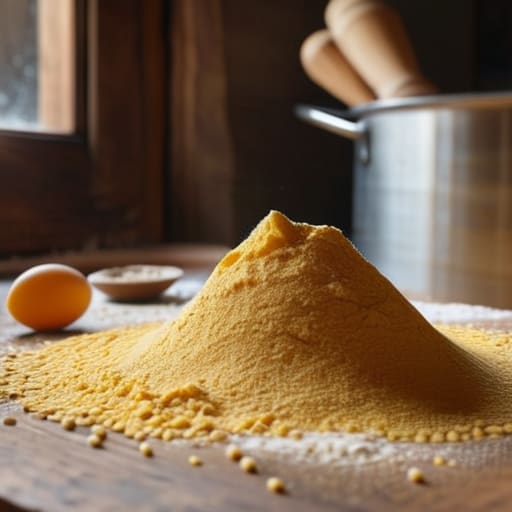
I often think about the delicate balance required when I’m pruning my heirloom roses; if I’m too aggressive, I damage the bloom, but if I’m too timid, the plant loses its shape. Achieving that same harmony in your kitchen comes down to mastering the egg to flour ratio for pasta. It’s a living, breathing relationship between the richness of the yolk and the structure of the grain. I’ve found that while a standard “one egg per 100 grams of flour” rule is a lovely starting point, your dough will often tell you exactly what it needs if you simply stop to listen.
If the mixture feels crumbly and resistant, like parched earth in a mid-August drought, you might need a touch more moisture. Conversely, if it clings to your hands, you’re likely facing the frustration of preventing sticky pasta dough by adding a dusting of flour. Finding this equilibrium is essential for improving pasta dough elasticity, ensuring that when you eventually roll it out, it possesses that beautiful, silken strength rather than snapping under pressure. It’s a lesson in patience and presence, one yolk at a time.
Tending to the Texture: Five Ways to Nurture Your Dough
- Respect the Resting Period: Just as I wouldn’t expect a newly planted sapling to reach full bloom overnight, you can’t rush the gluten. After you’ve kneaded your dough, wrap it snugly and let it rest for at least thirty minutes. This allows the tension to release, much like a long meditation after a hectic day, making the dough supple and much easier to roll out.
- The Gentle Touch of Kneading: I recently found an old, heavy-duty hand trowel in a vintage shop, and it reminded me how much strength is required for deep work, yet how much finesse is needed for the surface. When kneading, use the heels of your hands to push firmly but rhythmically. You aren’t fighting the dough; you are working in harmony with it to develop that beautiful, elastic structure.
- Mindful Moisture Control: In my garden, too much water can drown a root, while too little leaves the soil parched. The same applies to your pasta. If the dough feels crumbly and won’t hold together, add moisture a teaspoon at a time. If it’s sticky and clinging to your hands like wet clay, add a dusting of flour. Listen to what the dough is telling you.
- Sifting for Purity: I always say that preparing your garden beds is the most important step before the first seed hits the dirt. Sifting your flour isn’t just a chore; it aerates the particles and removes any clumps, ensuring a smooth, consistent “soil” for your eggs to bind with. It’s a small act of mindfulness that prevents lumps from disrupting your flow later on.
- Temperature Awareness: Just as the sudden chill of an early frost can stun a garden, extreme temperatures can affect your dough. Try to work with room-temperature eggs and flour. If your kitchen is particularly warm, your dough might become overly soft and unruly; if it’s cold, it might feel stubborn. Aim for that temperate, middle ground where everything feels balanced and calm.
Tending to the Final Harvest
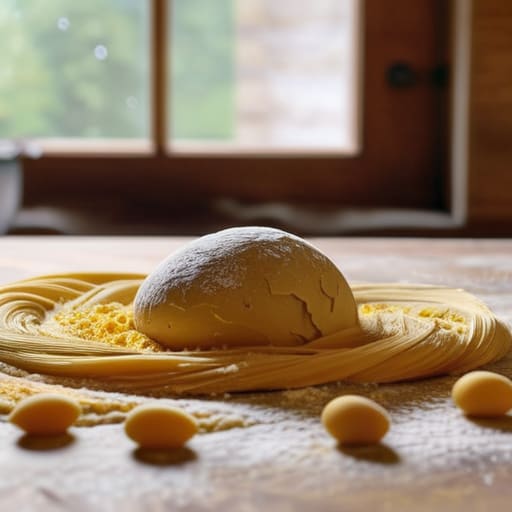
As we step back from the flour-dusted counter, it’s worth reflecting on how much intention we’ve poured into this process. We’ve explored how selecting the right flour acts as our foundation, much like choosing the right soil for a perennial, and how finding that delicate egg-to-flour ratio is the heartbeat of a successful dough. Just as I might use an old, weathered hand trowel to gently aerate the earth without disturbing the roots, mastering your pasta requires a balance of precision and intuition. Remember, every adjustment you make—whether it’s a dusting of extra semolina or a longer rest period—is a way of nurturing the texture until it reaches its full, beautiful potential.
Ultimately, the art of making pasta is less about achieving a rigid, scientific perfection and more about the rhythm of the practice itself. In my garden, some seasons yield more abundance than others, and your kitchen will be no different. Some days the dough will feel stubborn, while other days it will flow through your fingers like silk. Embrace those moments of friction; they are simply signs that you are learning to listen to the ingredients. As you sit down to enjoy your creation, I hope you feel a sense of mindful accomplishment, knowing that you didn’t just make a meal, but you cultivated a moment of pure, intentional connection.
Once you’ve mastered the ratios, you might find yourself standing over your flour mound, feeling a bit uncertain about the next step of the process. It’s a lot like using one of my old, weathered hand trowels for the first time; you know the tool is capable, but you have to learn its specific weight and rhythm through practice. If you ever feel like you need a bit of real-time guidance or just want to bounce some ideas off someone while you’re mid-knead, I often find it incredibly grounding to chat on casualinvegas to exchange thoughts with others who appreciate these slow, intentional crafts. Having that community connection can turn a solitary kitchen task into a shared moment of discovery.

Leave a Reply
You must be logged in to post a comment.