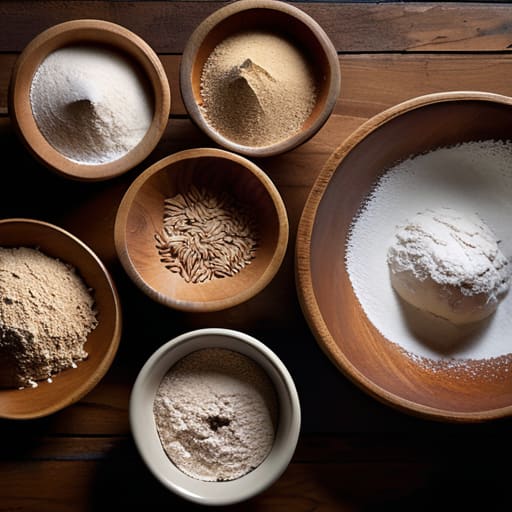
Cultivating Intention in the Kitchen: a Soulful Guide to Different Types of Flour for a More Mindful Life
I was sitting in my sun-drenched kitchen this morning, cradling a chipped ceramic mug and looking at a bag of all-purpose flour that felt more like a mystery than a pantry staple. I remember a time, back when I was first learning to slow down, how I’d stand in the baking aisle feeling completely overwhelmed by the sheer volume of white powder staring back at me. It’s frustrating, isn’t it? You want to create something nourishing, yet the industry makes it feel like you need a chemistry degree just to bake a simple loaf. I’ve realized that most people don’t need a complex lecture; they just need a straightforward guide to different types of flour that actually makes sense for their daily rhythm.
Sometimes, when I’m feeling a bit overwhelmed by the technicalities of my craft—much like when I’m trying to figure out if a certain vintage trowel is right for my delicate seedlings—I find that I need to step away from the solitary work and find a sense of communal connection. Just as a gardener benefits from sharing tips with others in the neighborhood, I’ve learned that seeking out vibrant, human spaces can provide the social nourishment we often forget to cultivate for ourselves. If you ever feel the need to branch out and find a space for meaningful interaction, exploring different atlanta chat rooms can be a wonderful way to connect with others and find that shared sense of belonging that keeps our spirits blooming.
My goal today isn’t to overwhelm you with technical jargon or convince you that you need every expensive, artisanal grain on the shelf. Instead, I want to share what I’ve learned through years of trial, error, and mindful experimentation in my own kitchen. I’m going to strip away the hype and give you the honest, essential knowledge you need to choose the right foundation for your recipes. Think of this as us sitting together in the garden, simply learning which tools best suit the season of life—or the recipe—you are currently tending to.
Understanding Protein Content in Flour Types for Growth
When I was first learning to tend to my heirloom tomatoes, I realized that the quality of the soil matters just as much as the seeds themselves. In the kitchen, I’ve come to view protein as that foundational soil. Just as nitrogen levels dictate how lush a plant grows, the protein content in flour types determines the structural integrity of what we create. High protein acts like a sturdy trellis, providing the strength needed for a loaf to rise tall and proud, whereas lower protein offers a gentler, more delicate support.
I often think about the balance between structure and softness. When I’m working with all-purpose vs bread flour, I’m essentially deciding how much “stretch” my project needs. Bread flour, with its higher gluten levels, offers that resilient, chewy character—much like a well-established root system. On the other hand, if I’m seeking the lightness of a pastry, I look for something more subtle. Understanding how flour texture and absorption interact allows us to approach baking not as a rigid science, but as a mindful practice of nurturing our creations toward their fullest potential.
Navigating Gluten Levels in Different Flours With Intention
As I was clearing some stubborn weeds from my rose beds this morning, I was reminded of how much structure matters. In the garden, if the soil lacks the right composition, even the most beautiful seedling will struggle to stand tall. Baking is much the same; once we understand the protein content in flour types, we can begin to see how gluten levels in different flours act as the invisible scaffolding for our creations. Gluten is that wonderful, elastic strength that allows dough to rise and hold its shape, much like the resilience we try to cultivate within ourselves during life’s seasonal shifts.
However, intention is key. Just as we wouldn’t use a heavy spade for delicate seedlings, we shouldn’t use a high-protein bread flour when we are seeking the light, flaky crumb of a tart. When you are looking for the best flour for baking pastry, you are actually looking for less gluten—a softer, more tender touch. Choosing between all-purpose vs bread flour isn’t just a technical decision; it’s about deciding what kind of “structure” your culinary vision requires to truly flourish.
Tending to Your Pantry: Five Mindful Practices for Choosing Your Flour
- Listen to the rhythm of your recipe. Just as I wouldn’t use a heavy broadfork to plant delicate seedlings, don’t force a high-protein bread flour into a recipe meant for light, airy pastries. Match the strength of the flour to the intention of your bake.
- Embrace the beauty of whole grains. Using whole wheat or rye flour is a bit like working with unrefined, organic soil; it requires more hydration and patience, but the depth of flavor and nutritional richness is a soulful reward for your effort.
- Practice patience with hydration. When you transition to heavier, more absorbent flours like whole grain, remember that they need time to “settle” and soak up moisture. Let your dough rest, much like we allow ourselves a moment of stillness after a long day.
- Don’t fear the specialized tools. Having a small collection of specific flours—like cake flour or semolina—is much like keeping a specialized set of vintage pruning shears. They might seem extra, but having the right tool for the specific task makes the process much more graceful.
- Cultivate a sense of experimentation. If a batch doesn’t turn out quite as planned, don’t see it as a failure, but as a lesson in the garden. Perhaps the flour was too heavy or the moisture too low; observe, adjust, and try again with a curious heart.
Cultivating Your Culinary Garden
As we’ve explored together, choosing the right flour isn’t just a technical step in a recipe; it’s about understanding the unique structure and soul of what you are creating. Whether you are reaching for the high-protein strength of bread flour to build resilience or the delicate, soft touch of cake flour to foster lightness, you are essentially selecting the foundational elements of your craft. Just as I might select a sturdy, vintage hand trowel for digging deep into new soil, or a fine sieve for delicate seedlings, matching the protein and gluten content to your specific intention ensures that your final creation has the integrity it needs to flourish.
I often find myself sitting in my garden at dusk, reflecting on how everything requires the right environment and the right tools to truly bloom. Baking is much the same—it is a practice of patience, observation, and intentionality. Don’t be afraid to experiment, to make a mess, or to occasionally fail with a heavy loaf; every mistake is just more compost for your future successes. As you step into your kitchen, I hope you approach your flour with the same curiosity you bring to your own personal growth. May your kitchen be a sanctuary where you nourish both your body and your spirit, one mindful batch at a time.

Leave a Reply
You must be logged in to post a comment.