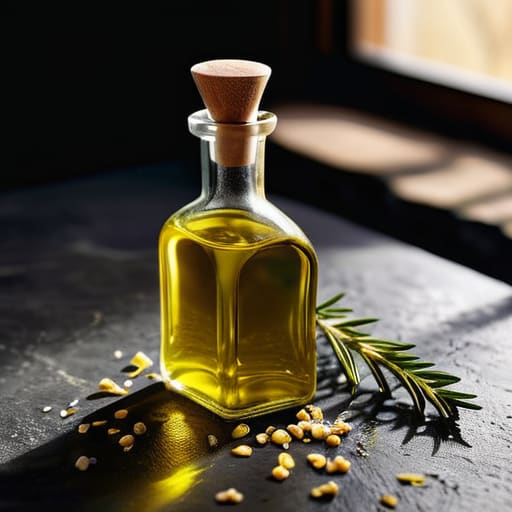
Cultivating a Nourished Kitchen: the Art of Understanding Different Types of Cooking Oils for a Life of Intention
I was out in the garden this morning, cleaning the patina off an old, rusted hand trowel I found at a local flea market, when I realized how much we overcomplicate the simple act of nourishment. We walk into the grocery aisle and feel immediately overwhelmed by the sheer wall of bottles, as if we need a PhD just to sauté some vegetables. There’s this pervasive myth that you need the most expensive, gold-leafed bottle on the shelf to be healthy, but honestly, understanding different types of cooking oils shouldn’t feel like a high-stakes exam. It’s not about chasing the latest wellness trend; it’s about knowing which tool is right for the specific task at hand.
I want to strip away the marketing fluff and the confusing jargon that makes your kitchen feel like a battlefield. My promise to you is simple: I’m going to share some straightforward, experience-based wisdom to help you navigate these choices with intention. We’ll look at how heat affects different fats and how to select oils that actually honor your health and the planet. Think of this as tending to your inner kitchen garden—we’re going to find the balance that allows you to cook with confidence and ease.
Nurturing the Soul With the Nutritional Benefits of Olive Oil
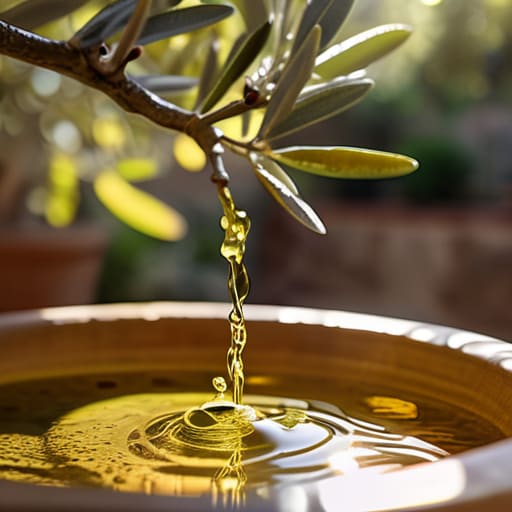
Whenever I’m out in my garden, I often find myself admiring the resilience of the olive tree. It stands as a testament to patience, weathering seasons to produce something truly precious. I like to think of olive oil in much the same way; it isn’t just a pantry staple, but a liquid form of nourishment that honors our bodies. When we look into the nutritional benefits of olive oil, we aren’t just looking at calories, but at the presence of heart-healthy monounsaturated fats that act like a gentle rain for our internal systems.
I recently came across an old, hand-forged pruning knife in a local antique shop, and it reminded me how much the quality of our tools matters. In the kitchen, choosing between refined vs unrefined oils is much like choosing between a sharp blade and a dull one. Extra virgin olive oil, being unrefined, retains all its soulful polyphenols and rich character. While you have to be mindful of its lower smoke point when cooking, using it for drizzling or light sautéing allows you to truly taste the intention behind your meal. It’s about choosing healthy fats for cooking that respect both the ingredient and the person consuming it.
Distinguishing Refined vs Unrefined Oils for Mindful Living
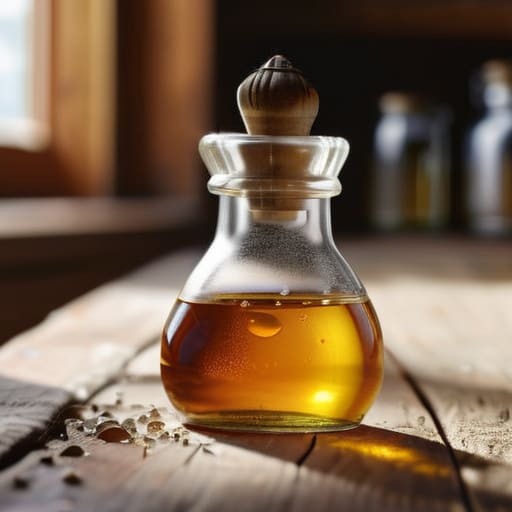
When I was clearing out some old cedar planters last weekend, I found an antique hand trowel that had lost much of its original luster through years of heavy use. It was still functional, but it had been stripped of its character to serve a specific, utilitarian purpose. I couldn’t help but think of the refined vs unrefined oils we keep in our pantries. Refined oils are a bit like that weathered tool; they’ve been processed to be stable and consistent, stripped of their natural aromas and flavors to perform a single task without distraction. While they aren’t “bad,” they lack the vibrant essence of the original plant.
Unrefined oils, on the other hand, are like a freshly sprouted seedling—full of life, complexity, and raw potential. Because they aren’t subjected to intense heat or chemical processing, they retain their most potent nutrients and deep, soulful flavors. However, this purity comes with a trade-off. You have to be mindful of the smoke point of cooking oils when working with these delicate treasures. If you use a precious, unrefined oil for high-heat tasks, you risk damaging its integrity, much like applying too much pressure to a young stem. Choosing between them is an exercise in intention.
Cultivating Your Pantry: Five Lessons in Selecting the Right Oils
- Just as I wouldn’t use a heavy, rusted spade to transplant delicate seedlings, avoid using delicate, unrefined oils like extra virgin olive or flaxseed for high-heat sautéing. Match the intensity of your heat to the resilience of the oil to preserve its soul.
- Think of your cooking oils as the soil in your garden; some are rich and nutrient-dense for direct nourishment, while others are more structural. Always ask yourself if you are seeking a deep, complex flavor profile or a neutral foundation that allows other ingredients to shine.
- Practice mindfulness regarding the life cycle of your oils. Much like a vintage tool that needs proper care to prevent oxidation, oils—especially those rich in omega-3s—can turn rancid if left in the sun or heat. Keep them in a cool, dark corner of your pantry to honor their integrity.
- Look for the “unrefined” label when you want to connect more deeply with the source. Unrefined oils are closer to their natural state, much like a wild meadow, retaining more antioxidants and character than their highly processed, refined counterparts.
- Curate your selection with intention rather than impulse. Instead of stocking a dozen different bottles, choose a few high-quality oils that serve specific roles in your culinary ritual, ensuring each one is used with purpose and respect for the nourishment it provides.
Cultivating Your Culinary Sanctuary
As we’ve explored together, choosing an oil is far more than a simple trip to the pantry; it is a decision that touches upon our health, our cooking, and our connection to the earth. We’ve seen how the rich, unrefined essence of olive oil can nourish our bodies, and how understanding the delicate balance between refined and unrefined oils allows us to approach our kitchens with greater awareness and intention. Just as I wouldn’t use a delicate pruning shear to till heavy soil, matching the right oil to your specific culinary needs ensures you are honoring both the ingredient and the process. By taking these small, mindful steps, you transform a routine task into a meaningful act of self-care.
Ultimately, I hope you view your kitchen not just as a place of preparation, but as a space for personal cultivation. Every meal is an opportunity to practice the same patience and care we give to a budding seedling in the garden. Don’t feel pressured to master every bottle on the shelf overnight; instead, let your curiosity lead the way. As you experiment with different flavors and textures, remember that growth is a gradual process. May your kitchen become a sanctuary where you nurture your body and spirit with every drop, creating a life that is as rich and vibrant as the oils you choose to pour.
As you begin to refine your pantry with more intention, I often find that the most profound growth happens when we connect with others who share our curiosity. Just as I might lean on the wisdom of a seasoned gardener when a new seedling isn’t quite taking root, finding a community can provide that much-needed perspective during your own journey of discovery. If you find yourself looking for more ways to deepen your connections and engage with vibrant, meaningful conversations, I’ve found that exploring https://dirtychatusa.com can be a wonderful way to find that sense of shared human experience that so often fuels our personal evolution.

Leave a Reply
You must be logged in to post a comment.