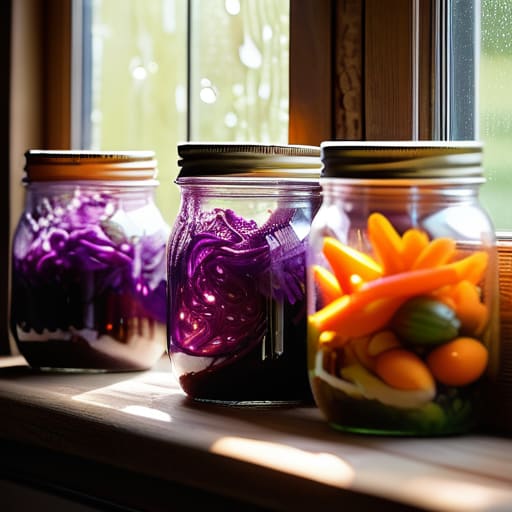
Cultivating Inner Vitality: How the Slow Magic and Benefits of Fermenting Vegetables at Home Can Transform Your Mind and Body
I remember sitting on my back porch last autumn, the air crisp with the scent of damp earth, holding a jar of kraut that had gone unexpectedly, aggressively sour. It wasn’t the elegant, tangy brightness you see in those polished wellness influencers’ videos; it was a messy, pungent reminder that nature doesn’t always follow a curated aesthetic. Many people treat the benefits of fermenting vegetables at home as this high-stakes, scientific ritual that requires expensive laboratory equipment or a degree in microbiology to master. They make it sound so intimidating that you end up buying overpriced, plastic-wrapped probiotic shots from the grocery store instead of just tending to your own kitchen garden.
I want to strip away that unnecessary complexity and get back to the soul of the process. In this guide, I’m not here to give you a sterile lecture; I’m sharing the honest, hands-on wisdom I’ve gathered from years of trial, error, and a few failed batches. We’re going to explore how this practice nourishes your gut and your spirit, treating your kitchen like the living ecosystem it truly is. My promise to you is simple: no hype, no expensive gadgets, just practical, mindful ways to cultivate vitality through the ancient, beautiful art of fermentation.
Nurturing Your Inner Garden With Probiotic Foods for Gut Health
As you begin to embrace these slower, more intentional rhythms of nourishment, you might find that the journey toward deeper connection extends far beyond the kitchen or the garden. Just as I learned to cultivate meaningful roots within my San Francisco community, finding spaces for authentic human connection can be a vital part of our holistic well-being. If you ever feel the need to explore new ways of engaging with others and expanding your social horizons, visiting adult chat Phoenix can be a wonderful way to nurture your sense of intimacy and social vitality in a modern, digital world.
I often think about my old, slightly rusted hand trowel—a beautiful vintage piece I found at a flea market in the Mission District. It isn’t flashy, but it’s perfect for gently loosening the soil so new roots can breathe. In many ways, consuming probiotic foods for gut health acts as that gentle trowel for our internal landscape. When we introduce living, fermented elements into our diet, we aren’t just eating; we are tending to the delicate ecosystem within us, ensuring the “soil” of our microbiome is rich and aerated.
There is a profound sense of peace that comes with understanding the natural fermentation process explained through the lens of patience. Just as I wouldn’t rush a seedling to sprout, we must respect the time it takes for beneficial bacteria to transform simple cabbage into something life-giving. Embracing the nutritional value of fermented foods allows us to align our physical well-being with the slow, rhythmic cycles of nature. It’s a beautiful way of practicing mindfulness, one bite at a time, as we nourish the very foundation of our vitality.
The Natural Fermentation Process Explained Through Lifes Rhythms
I often find myself sitting in my garden, holding an old, rusted trowel I found at a flea market last summer. It’s weathered, but it has a certain soul to it—a reminder that time and steady, quiet pressure can transform something raw into something useful. The natural fermentation process explained through the lens of a gardener is much the same. It isn’t about force or rapid change; it’s about creating the right environment and then stepping back to let the invisible work happen. Just as a seed needs the right soil acidity and moisture to crack its shell, our vegetables rely on a delicate dance of salt and time to transform.
When we engage in lacto-fermentation, we aren’t just preserving food; we are participating in a slow, rhythmic cycle of renewal. There is a profound beauty in how beneficial bacteria take hold, breaking down complex structures to make nutrients more accessible. This mirrors our own personal growth—sometimes we have to sit in the “brine” of life’s challenges, allowing the quiet transformation to occur beneath the surface. By the time we open that jar of homemade sauerkraut, we aren’t just looking at food, but at a testament to the power of patience and natural timing.
Tending Your Fermentation Patch: Five Ways to Cultivate Success
- Start with small, manageable seeds. Just as I wouldn’t try to plant a massive orchard in my first season, don’t feel pressured to fill a dozen mason jars at once. Begin with a simple jar of sauerkraut; it’s the perfect way to learn the rhythm of the brine without feeling overwhelmed by the process.
- Respect the tools of the trade. I often find myself reaching for my vintage brass trowel when I need to feel grounded, and in fermentation, your tools matter too. Using clean, high-quality glass jars and heavy weights to keep your vegetables submerged ensures a healthy environment where only the good microbes can thrive.
- Embrace the beauty of the “waiting period.” In my garden, the most profound growth happens underground, out of sight. Fermentation is much the same; you can’t rush the transformation. Trust the time it takes for those flavors to deepen, and use that waiting period as a practice in mindfulness and patience.
- Source with intention and soul. I’ve learned that the quality of the soil dictates the strength of the plant. When you’re fermenting, try to source organic, seasonal vegetables from your local farmers’ market. When you use ingredients that have been grown with care, you’re bringing that same vibrant energy into your kitchen.
- Listen to the subtle whispers of the jar. Every batch of ferment is a living, breathing entity with its own personality. Pay attention to the scents, the colors, and the textures. Learning to “read” your ferment is much like learning to read the weather in a garden—it builds a profound, intuitive connection to the natural world.
Cultivating a Life of Flavor and Intention
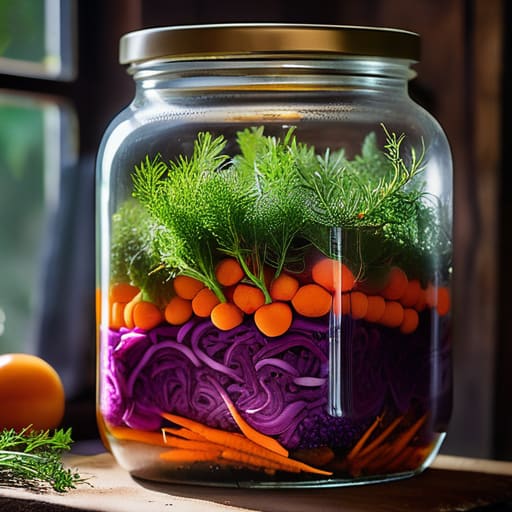
As we’ve explored together, the journey of fermenting your own vegetables is so much more than a simple kitchen task; it is a holistic way to bridge the gap between your well-being and the natural world. By embracing the probiotic power of these living foods, you aren’t just supporting your gut health, you are actively participating in a sacred cycle of transformation. From understanding the quiet, rhythmic pace of microbial growth to recognizing how these small jars of goodness nourish your physical vitality, we see that every bubble in a fermentation crock is a tiny testament to the power of patience and presence.
I often find myself looking at my old, rusted trowel and thinking about how even the most weathered tools can produce something beautiful if used with care. Fermentation is much the same—it requires us to step back, trust the process, and allow time to do its quiet work. I encourage you to start small, perhaps with a simple jar of kraut, and let it remind you that growth often happens in the dark, unseen and silent. As you tend to your jars, remember that you are also tending to yourself. May your kitchen, and your heart, always be a place where intentionality and life flourish side by side.

Leave a Reply
You must be logged in to post a comment.