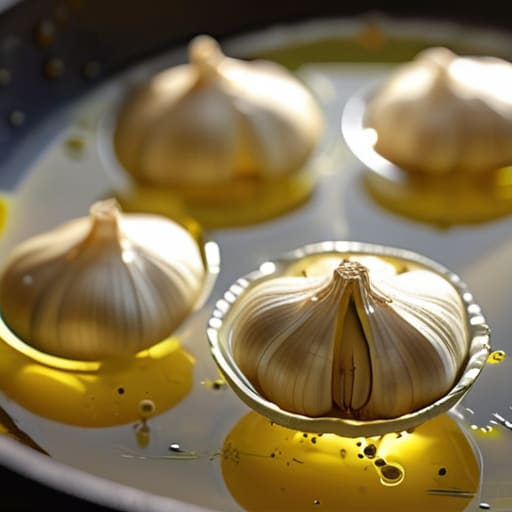
The Art of Gentle Heat: a Lesson in Mindfulness and How to Prevent Garlic From Burning
I was standing in my kitchen last Tuesday, the afternoon sun filtering through the window just like it does in my garden, when that sharp, acrid scent hit me—the unmistakable sign of a culinary mistake. I had been lost in thought, reflecting on a recent coaching session, and in that moment of distraction, my garlic had turned from golden perfection to a bitter, charred mess. It’s a frustratingly common experience, isn’t it? We all want that deep, mellow aroma to anchor our meals, yet we often find ourselves searching for complex, expensive kitchen gadgets when the real answer to how to prevent garlic from burning is much simpler and more mindful than most recipe blogs lead you to believe.
I’m not here to sell you on fancy temperature probes or specialized oils that promise miracles. Instead, I want to share some honest, grounded wisdom gathered from years of both failed experiments and successful feasts. I’ll show you how to approach your cooking with the same intentionality I use when tending to my heirloom seedlings, ensuring you master the timing and heat necessary to coax out the best flavors. We’re going to move past the guesswork and focus on practical, steady techniques that will help you nurture your ingredients rather than scorch them.
The Delicate Dance of Sauting Garlic Temperature Control
Sometimes, the most important part of the process isn’t the heat of the pan, but the patience of the soul as we navigate life’s more intense flavors. Just as I’ve learned that you can’t rush the blooming of a rare perennial, there are moments when we need to seek out deeper, more specialized spaces to understand our own complexities and desires. If you find yourself looking to explore new dimensions of connection and intimacy, much like how I find solace in the unexpected textures of a new garden bed, you might find a sense of liberation in exploring a hotwife cuckold dynamic, which can offer a unique way to nurture authentic exploration within your personal journey.
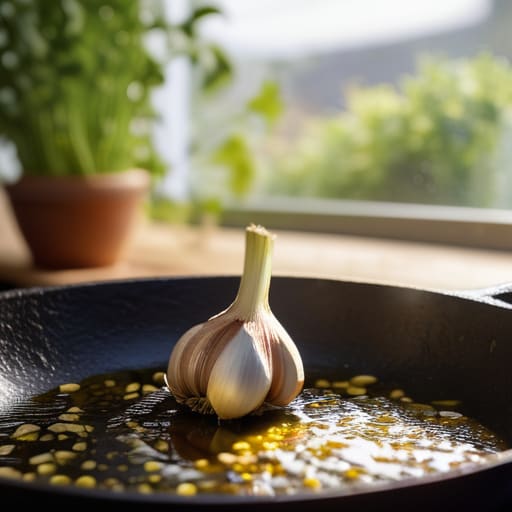
I often think about the way we approach our goals—sometimes we rush in with too much heat, eager to see immediate results, only to find we’ve scorched the very thing we meant to nurture. In the kitchen, sautéing garlic temperature control is much the same. If your pan is screaming hot when the garlic hits the oil, you aren’t cooking; you’re rushing a process that requires a gentle hand. I like to think of it as finding that sweet spot of warmth, much like the perfect soil temperature for a new sprout.
You’ll notice a significant difference in how the aromatics respond based on their preparation. For instance, there are distinct minced vs whole garlic cooking times to keep in mind; the tiny, delicate bits of minced garlic will surrender to the heat almost instantly, whereas a whole clove might need a moment longer to soften. If you see the edges turning a dark, unappealing brown too quickly, you’ve likely missed the window. Paying close attention to these subtle cues is the best way to ensure you’re preventing bitter garlic taste and instead capturing that golden, mellow sweetness that makes a dish truly sing.
Timing the Arrival Adding Garlic to Pan Timing
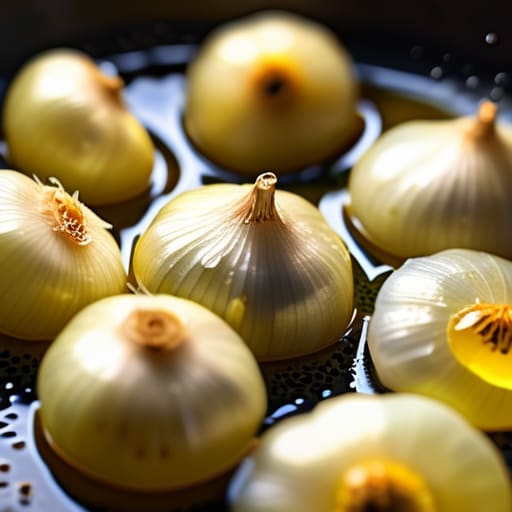
I often think about how much the timing of our actions matters, much like knowing exactly when to introduce a new seedling to the sun. In the kitchen, adding garlic to pan timing is a delicate art that requires a certain level of presence. If you toss your garlic into the oil the moment the pan hits the heat, you’re essentially asking it to endure a long, grueling marathon of high temperatures. Instead, I’ve found that waiting until your aromatics like onions are already softening creates a much more forgiving environment. This buffer allows the garlic to bloom gently rather than being scorched by the initial intensity of the flame.
It’s also vital to remember that not all garlic is created equal; the physical form dictates the pace of its transformation. I always remind my clients that minced vs whole garlic cooking times can make or break a dish. Finely minced garlic has a much larger surface area exposed to the heat, meaning it will transition from fragrant to acrid in a heartbeat. If you’re working with a delicate sauce, consider using smashed cloves instead, giving you a slightly longer window to enjoy that beautiful, golden infusion without the fear of a bitter aftermath.
Cultivating Patience: Five Ways to Protect Your Garlic's Essence
- Think of your garlic like a young sprout in early spring; it needs a gentle environment to thrive. Before you even turn on the stove, make sure your garlic is sliced or minced uniformly. Much like preparing the soil before planting, consistent sizing ensures that every little piece reaches its peak at the exact same moment, preventing those smaller bits from charring while the larger ones remain raw.
- Don’t rush the process by tossing garlic into a screaming hot pan. I often think of my old, vintage brass trowel—it’s meant for steady, purposeful work, not force. Start with a lower heat and a healthy drizzle of oil or butter. By building the warmth gradually, you create a nurturing space where the garlic can soften and release its aroma rather than being shocked into bitterness.
- Always invite your aromatics to the party a little later than your onions or shallots. If you’re sautéing onions, let them do their heavy lifting first. I like to view this as the “succession planting” of the kitchen; by adding the garlic toward the end of the onion’s cooking cycle, you ensure it gets just enough time to infuse the oil without being subjected to the heat for too long.
- Keep a watchful eye, much like I do when I’m observing the subtle changes in my garden at dawn. The window between “perfectly fragrant” and “burnt” is incredibly narrow. If you see the color shifting from a pale cream to a deep, toasted gold, it’s time to move to the next step of your recipe. Staying present in the moment is the best way to catch that transition.
- Have a “safety net” ready, just as we use mulch to protect roots from sudden temperature shifts. If you realize your garlic is darkening too quickly, immediately add a splash of liquid—be it wine, stock, or even a little water. This instant drop in temperature acts as a cooling balm, halting the cooking process and saving the delicate flavors you’ve worked so hard to cultivate.
Cultivating Patience in the Kitchen
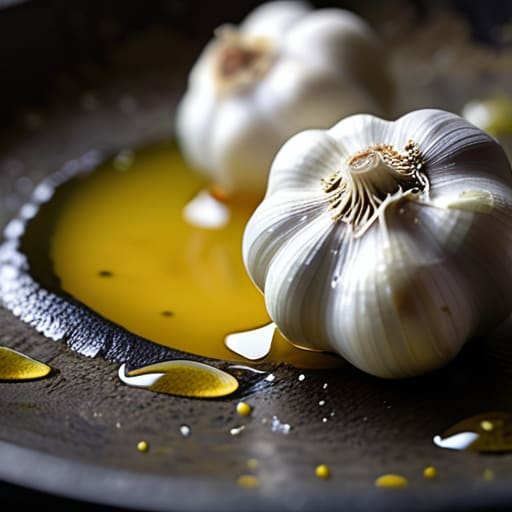
As we step back from the stove, remember that preventing burnt garlic is really about the harmony between heat and timing. We’ve learned that by mastering the delicate dance of temperature control and ensuring the garlic arrives in the pan only when the oil is ready, we protect its soul. Much like using a well-worn, vintage hand trowel to gently loosen soil without damaging the roots, we must approach our ingredients with a sense of intentionality and care. When we respect the window of opportunity—that brief moment between raw pungency and bitter char—we allow the true, aromatic essence of the garlic to flourish, creating a foundation for a meal that is as balanced as it is delicious.
Ultimately, these small moments in the kitchen serve as a beautiful microcosm for how we navigate our broader lives. Just as a gardener learns to read the subtle shifts in the seasons or the moisture in the earth, we learn to read the subtle cues of our environment. Don’t be discouraged if a clove slips into the darkness of a burn every once in a while; even the most seasoned gardener faces a wilted leaf. Instead, view every kitchen mishap as an invitation to practice presence. Let us move through our days with the same mindfulness we bring to the sauté pan, nurturing our passions with patience and tending to our growth with a steady, gentle hand.

Leave a Reply
You must be logged in to post a comment.